Ensuring Longevity: A Comprehensive Guide to the 2025 Kia Sportage Maintenance Schedule
Ensuring Longevity: A Comprehensive Guide to the 2025 Kia Sportage Maintenance Schedule
Introduction
With great pleasure, we will explore the intriguing topic related to Ensuring Longevity: A Comprehensive Guide to the 2025 Kia Sportage Maintenance Schedule. Let’s weave interesting information and offer fresh perspectives to the readers.
Table of Content
Ensuring Longevity: A Comprehensive Guide to the 2025 Kia Sportage Maintenance Schedule
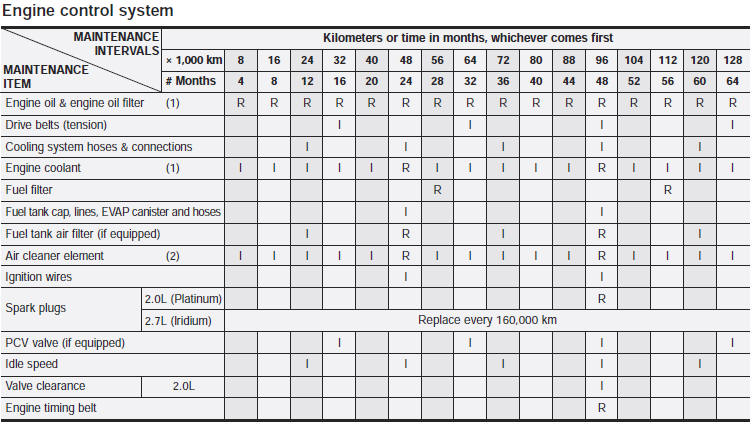
The 2025 Kia Sportage, a testament to innovation and reliability, requires a meticulous maintenance regimen to ensure its optimal performance and longevity. This guide delves into the recommended maintenance schedule, highlighting its significance in preserving the vehicle’s value and enhancing its overall driving experience.
Understanding the 2025 Kia Sportage Maintenance Schedule:
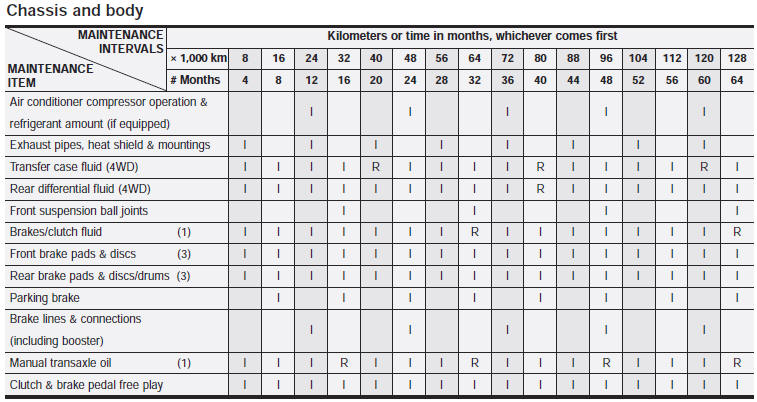
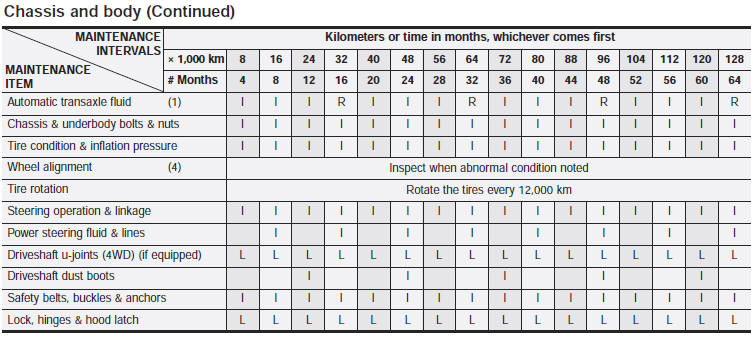
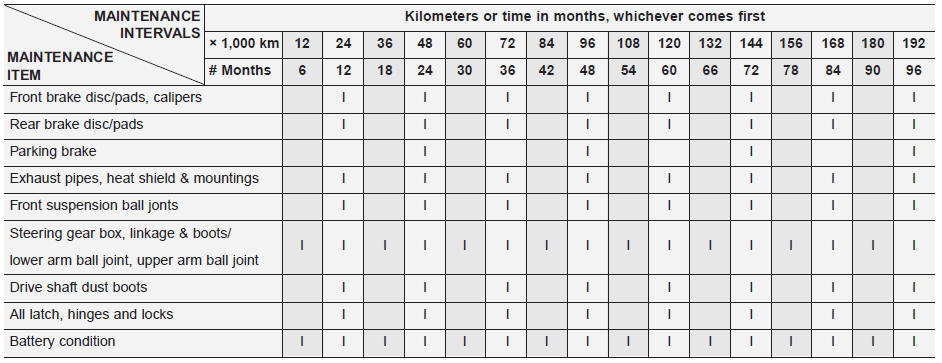
The 2025 Kia Sportage maintenance schedule is designed to address the vehicle’s specific needs at different mileage intervals. These intervals are categorized into routine services, encompassing essential checks and fluid changes, and more comprehensive inspections conducted at longer intervals.
Routine Maintenance:
- Oil Change: The cornerstone of vehicle maintenance, an oil change is essential for lubricating engine components, preventing wear and tear. The 2025 Kia Sportage recommends an oil change every 5,000 miles or six months, whichever occurs first.
- Tire Rotation: Regularly rotating tires ensures even wear and tear, maximizing tire lifespan and promoting a smooth ride. The recommended tire rotation interval is every 5,000 miles.
- Air Filter Replacement: The air filter prevents contaminants from entering the engine. It should be replaced every 15,000 miles or as needed based on driving conditions.
- Cabin Air Filter Replacement: The cabin air filter purifies air entering the vehicle’s cabin. It should be replaced every 15,000 miles or when noticeable airflow reduction occurs.
- Fluid Checks: Essential fluids like brake fluid, coolant, and power steering fluid need regular checks to ensure adequate levels and prevent potential issues. These checks are recommended at every oil change interval.
Scheduled Inspections:
- Brake Inspection: Brakes are crucial for safety. A comprehensive brake inspection, including pad and rotor wear assessment, should be performed every 15,000 miles.
- Suspension Inspection: The suspension system plays a vital role in vehicle handling and ride comfort. It should be inspected for wear and tear every 30,000 miles.
- Fuel System Inspection: Ensuring proper fuel system operation is critical for efficient combustion. This inspection, which includes checking fuel lines and filters, should be conducted every 30,000 miles.
- Cooling System Inspection: The cooling system prevents engine overheating. A comprehensive inspection, including coolant level and condition assessment, is recommended every 30,000 miles.
- Spark Plug Replacement: Spark plugs ignite the fuel-air mixture in the engine. They should be replaced every 60,000 miles or as needed based on wear and tear.
The Importance of Adhering to the Maintenance Schedule:
- Enhanced Performance and Reliability: Regular maintenance ensures the vehicle operates at peak performance, minimizing breakdowns and maximizing efficiency.
- Extended Vehicle Lifespan: Proactive maintenance prevents premature wear and tear, extending the vehicle’s overall lifespan.
- Improved Fuel Efficiency: Proper maintenance optimizes engine performance, leading to better fuel economy and reduced fuel consumption.
- Increased Resale Value: A well-maintained vehicle commands a higher resale value, making it a more attractive proposition for future buyers.
- Enhanced Safety: Maintaining the vehicle’s critical components, like brakes and tires, ensures optimal safety for the driver and passengers.
Frequently Asked Questions:
Q: How can I find the exact maintenance schedule for my 2025 Kia Sportage?
A: The detailed maintenance schedule is available in the owner’s manual, which comes with the vehicle. It outlines specific intervals for each service and inspection.
Q: Can I perform some of the maintenance tasks myself?
A: Some basic maintenance tasks, like oil changes and air filter replacements, can be performed by individuals with basic mechanical knowledge. However, complex tasks like brake inspections and suspension work should be left to qualified technicians.
Q: What happens if I skip a maintenance service?
A: Skipping maintenance can lead to premature wear and tear, potential breakdowns, and reduced vehicle lifespan. It can also void the vehicle’s warranty.
Q: How often should I get my 2025 Kia Sportage serviced by a professional?
A: It is recommended to have your vehicle serviced by a qualified technician at least once a year or every 10,000 miles, whichever occurs first.
Q: Can I use generic parts for maintenance?
A: While using generic parts might seem cost-effective, it’s crucial to use parts that meet the manufacturer’s specifications. Using substandard parts can compromise the vehicle’s performance and safety.
Tips for Maintaining your 2025 Kia Sportage:
- Keep a maintenance log: Regularly record all maintenance services and inspections performed on the vehicle. This helps track maintenance history and identify any potential issues.
- Use high-quality fluids: Employ genuine Kia fluids or those meeting the manufacturer’s specifications.
- Follow the recommended service intervals: Adhering to the recommended maintenance schedule is crucial for optimal vehicle performance.
- Address any warning lights promptly: If any warning lights illuminate on the dashboard, have the vehicle inspected by a qualified technician as soon as possible.
- Regularly clean and inspect the vehicle: Regularly cleaning and inspecting the vehicle, including tires and lights, helps identify potential issues early on.
Conclusion:
The 2025 Kia Sportage maintenance schedule serves as a roadmap for ensuring the vehicle’s long-term performance, reliability, and safety. By adhering to the recommended service intervals and addressing any issues promptly, owners can maximize their investment and enjoy a rewarding driving experience for years to come. Remember, proactive maintenance is the key to preserving the vehicle’s value and ensuring its optimal performance throughout its lifespan.




.png)
Closure
Thus, we hope this article has provided valuable insights into Ensuring Longevity: A Comprehensive Guide to the 2025 Kia Sportage Maintenance Schedule. We appreciate your attention to our article. See you in our next article!