Fuel Efficiency in the 2025 Kia Sportage: A Comprehensive Overview
Fuel Efficiency in the 2025 Kia Sportage: A Comprehensive Overview
Introduction
With enthusiasm, let’s navigate through the intriguing topic related to Fuel Efficiency in the 2025 Kia Sportage: A Comprehensive Overview. Let’s weave interesting information and offer fresh perspectives to the readers.
Table of Content
Fuel Efficiency in the 2025 Kia Sportage: A Comprehensive Overview
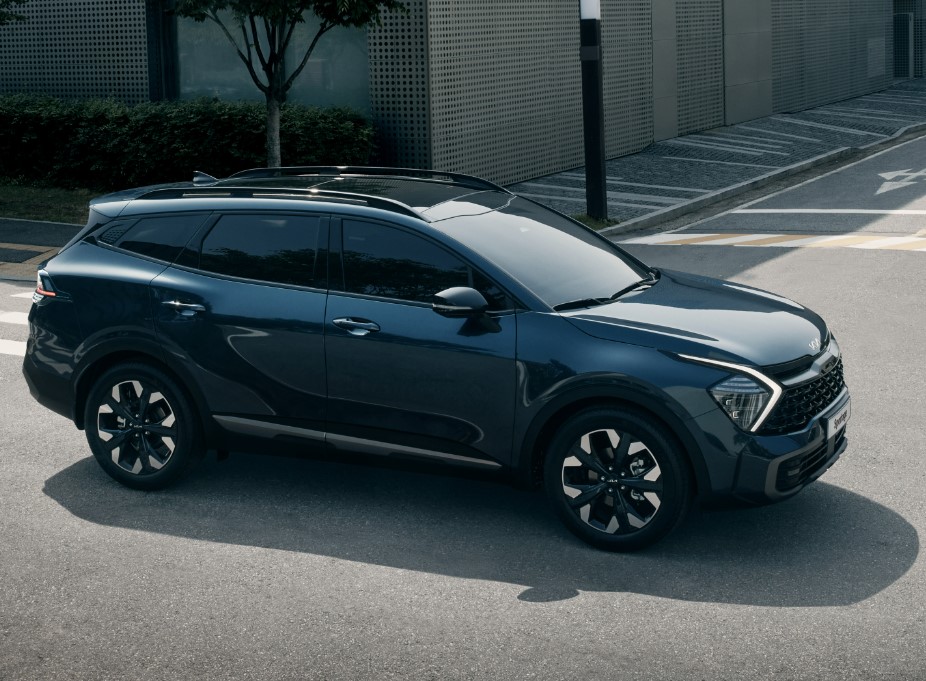
The 2025 Kia Sportage, a popular compact SUV, is anticipated to continue its focus on fuel efficiency, a key consideration for many consumers. While specific figures for the 2025 model year are not yet available, analyzing trends and existing data can provide insight into what to expect.
Factors Influencing Fuel Efficiency:
Several factors contribute to a vehicle’s fuel economy, including:
- Engine Technology: Modern engines utilize advanced technologies like direct injection, turbocharging, and variable valve timing to optimize combustion and reduce fuel consumption.
- Transmission Type: Efficient transmissions, such as continuously variable transmissions (CVTs) or dual-clutch transmissions (DCTs), can help maximize fuel efficiency.
- Aerodynamics: A vehicle’s design, particularly its shape and airflow management, can significantly impact fuel economy.
- Weight: Lighter vehicles require less energy to move, resulting in better fuel efficiency.
- Driving Habits: Aggressive acceleration, frequent braking, and excessive idling can all negatively impact fuel consumption.
Expected Fuel Efficiency of the 2025 Kia Sportage:
Based on the current 2023 Kia Sportage and industry trends, the 2025 model could offer fuel economy figures comparable to or even exceeding its predecessor. The 2023 Sportage, equipped with a 2.5-liter four-cylinder engine and an eight-speed automatic transmission, achieves an EPA-estimated 27 mpg city, 34 mpg highway, and 30 mpg combined.
The 2025 model could potentially benefit from further improvements in engine technology, transmission efficiency, and aerodynamics, potentially leading to a slight increase in fuel economy. Additionally, the introduction of a hybrid or plug-in hybrid powertrain could significantly boost fuel efficiency.
The Importance of Fuel Efficiency:
Fuel efficiency is a crucial factor for consumers due to its direct impact on:
- Cost Savings: Lower fuel consumption translates into substantial savings on gas expenses over time.
- Environmental Impact: Reduced fuel consumption minimizes greenhouse gas emissions, contributing to a cleaner environment.
- Driving Range: Improved fuel economy allows drivers to travel longer distances between refueling stops, enhancing convenience.
FAQs Regarding Fuel Efficiency in the 2025 Kia Sportage:
Q: Will the 2025 Kia Sportage offer a hybrid or plug-in hybrid option?
A: While official confirmation is yet to be released, Kia’s commitment to electrification suggests the possibility of a hybrid or plug-in hybrid variant for the 2025 Sportage.
Q: How can I improve the fuel efficiency of my existing Kia Sportage?
A: Maintaining proper tire pressure, avoiding excessive idling, and adopting a smooth driving style can significantly enhance fuel economy.
Q: What is the expected range of the 2025 Kia Sportage with a hybrid or plug-in hybrid powertrain?
A: The range of a hybrid or plug-in hybrid Sportage will depend on the specific powertrain configuration. However, these models are expected to offer significantly extended driving ranges compared to their gasoline-powered counterparts.
Tips for Maximizing Fuel Efficiency in the 2025 Kia Sportage:
- Maintain Regular Maintenance: Ensuring regular oil changes, filter replacements, and other maintenance tasks helps optimize engine performance and fuel efficiency.
- Drive Smoothly: Avoid aggressive acceleration and braking, as these actions consume more fuel.
- Use Cruise Control: Cruise control helps maintain a constant speed, reducing fuel consumption.
- Minimize Idling: Turn off the engine when waiting for extended periods, such as at drive-thrus or traffic lights.
- Choose the Right Tires: Properly inflated tires with low rolling resistance can improve fuel economy.
Conclusion:
The 2025 Kia Sportage is expected to continue its focus on fuel efficiency, offering consumers a compelling blend of performance and practicality. While specific figures are not yet available, the introduction of advanced technologies and potential hybrid powertrains could lead to further improvements in fuel economy, providing drivers with significant cost savings and environmental benefits. By adopting fuel-efficient driving habits and maintaining regular vehicle maintenance, drivers can maximize the fuel efficiency of their 2025 Kia Sportage, contributing to a more sustainable and cost-effective driving experience.





Closure
Thus, we hope this article has provided valuable insights into Fuel Efficiency in the 2025 Kia Sportage: A Comprehensive Overview. We hope you find this article informative and beneficial. See you in our next article!