Maintaining Optimal Tire Pressure in the 2025 Kia K5: A Comprehensive Guide
Maintaining Optimal Tire Pressure in the 2025 Kia K5: A Comprehensive Guide
Introduction
In this auspicious occasion, we are delighted to delve into the intriguing topic related to Maintaining Optimal Tire Pressure in the 2025 Kia K5: A Comprehensive Guide. Let’s weave interesting information and offer fresh perspectives to the readers.
Table of Content
- 1 Maintaining Optimal Tire Pressure in the 2025 Kia K5: A Comprehensive Guide
- 2 Introduction
- 3 Maintaining Optimal Tire Pressure in the 2025 Kia K5: A Comprehensive Guide
- 3.1 The Importance of Correct Tire Pressure
- 3.2 Recommended Tire Pressure for the 2025 Kia K5
- 3.3 Monitoring Tire Pressure: A Practical Guide
- 3.4 Adjusting Tire Pressure: A Simple Process
- 3.5 Factors Affecting Tire Pressure
- 3.6 FAQs Regarding Tire Pressure in the 2025 Kia K5
- 3.7 Tips for Maintaining Optimal Tire Pressure in the 2025 Kia K5
- 3.8 Conclusion
- 4 Closure
Maintaining Optimal Tire Pressure in the 2025 Kia K5: A Comprehensive Guide

The 2025 Kia K5, like any modern vehicle, relies on properly inflated tires for optimal performance, fuel efficiency, and safety. Understanding and maintaining the correct tire pressure is crucial for a smooth and enjoyable driving experience. This article provides a comprehensive guide to tire pressure in the 2025 Kia K5, exploring its significance and offering practical tips for monitoring and adjusting it.
The Importance of Correct Tire Pressure
Tire pressure plays a critical role in vehicle handling, fuel economy, and overall safety. Here’s a breakdown of its key benefits:
-
Improved Handling and Stability: Properly inflated tires provide optimal contact with the road surface, enhancing grip and control, particularly in corners and during emergency maneuvers. Under-inflated tires can lead to excessive tire flexing, resulting in sluggish steering response and reduced stability. Conversely, over-inflated tires can make the ride harsh and increase the risk of tire blowouts.
-
Enhanced Fuel Efficiency: Under-inflated tires increase rolling resistance, forcing the engine to work harder, leading to increased fuel consumption. Maintaining the correct pressure reduces this resistance, improving fuel economy and minimizing environmental impact.
-
Extended Tire Lifespan: Properly inflated tires distribute weight evenly, preventing uneven wear and tear. Under-inflation leads to excessive wear on the outer edges of the tire, while over-inflation can cause premature wear in the center.
-
Enhanced Safety: Correct tire pressure ensures optimal braking performance, reducing stopping distances and minimizing the risk of accidents. It also reduces the likelihood of tire blowouts, which can be extremely dangerous.
Recommended Tire Pressure for the 2025 Kia K5
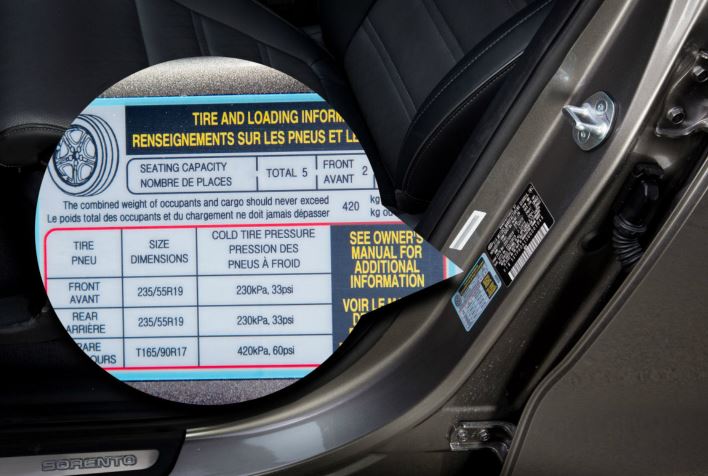
The recommended tire pressure for the 2025 Kia K5 can be found on a sticker located on the driver’s side doorjamb, the owner’s manual, or on the tire sidewall itself. This sticker typically specifies the pressure for both front and rear tires, and it may vary based on the load being carried and the tire size.
Note: Always refer to the vehicle’s documentation for the most accurate and up-to-date information on recommended tire pressure.
Monitoring Tire Pressure: A Practical Guide
Regularly checking tire pressure is essential for ensuring optimal performance and safety. Here’s a step-by-step guide:
-
Check Tire Pressure When Cold: The ideal time to check tire pressure is when the tires are cold, meaning they haven’t been driven for at least three hours. This ensures the most accurate reading.
-
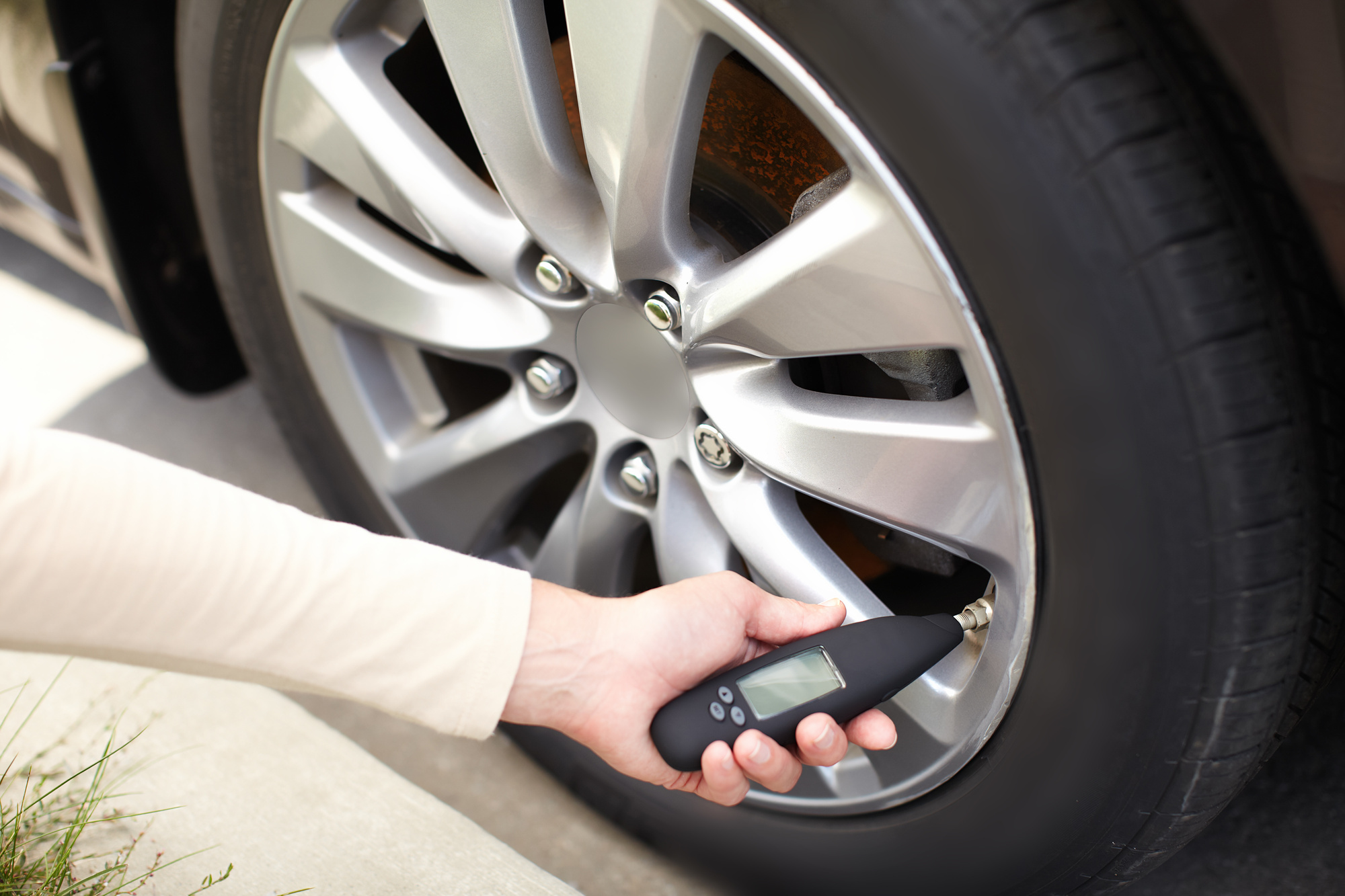
Use a Tire Pressure Gauge: Invest in a quality tire pressure gauge to ensure accurate readings. Avoid using the gauge at a gas station, as they can be unreliable.
-
Locate the Tire Valve Stem: The valve stem is the small metal stem protruding from the tire.
-
Attach the Gauge: Press the gauge onto the valve stem, ensuring a tight seal.
-
Read the Pressure: The gauge will display the tire pressure in PSI (pounds per square inch).
-
Compare to Recommended Pressure: Check the recommended pressure on the sticker or owner’s manual and adjust accordingly.
-
Repeat for All Tires: Repeat the process for all four tires, ensuring consistency across the vehicle.
Adjusting Tire Pressure: A Simple Process
If the tire pressure is below the recommended level, use a tire pump to inflate the tire to the correct pressure. Conversely, if the pressure is above the recommended level, use a tire deflation tool to release air until the desired pressure is reached.
Note: Always adjust tire pressure in a safe and well-ventilated area.
Factors Affecting Tire Pressure
Several factors can influence tire pressure, including:
-
Temperature: Tire pressure increases with temperature. This is why it’s crucial to check pressure when the tires are cold.
-
Load: Carrying heavy loads can increase tire pressure. The recommended pressure for carrying heavy loads is usually specified in the owner’s manual.
-
Tire Age: Older tires tend to lose air pressure more quickly than new tires.
-
Tire Condition: Damaged or worn tires can lose air pressure more easily.
FAQs Regarding Tire Pressure in the 2025 Kia K5
Q: How often should I check my tire pressure?
A: It’s recommended to check your tire pressure at least once a month, or more frequently if you notice any signs of under-inflation, such as a rough ride or uneven tire wear.
Q: What are the signs of under-inflated tires?
A: Under-inflated tires can exhibit the following signs:
- A rough or bumpy ride
- Reduced steering response
- Increased fuel consumption
- Uneven tire wear, particularly on the outer edges
- Bulging or sagging tire sidewalls
Q: What are the signs of over-inflated tires?
A: Over-inflated tires can display the following signs:
- A harsh ride
- Increased tire wear in the center
- Increased risk of tire blowouts
- Reduced traction, particularly in wet conditions
Q: What should I do if I experience a tire blowout?
A: If you experience a tire blowout, maintain control of the vehicle, steer gently towards the shoulder, and gradually reduce speed. Once the vehicle is safely stopped, engage the hazard lights and call for assistance.
Tips for Maintaining Optimal Tire Pressure in the 2025 Kia K5
- Regularly check tire pressure: Make checking tire pressure a part of your regular vehicle maintenance routine.
- Monitor tire wear: Inspect your tires for signs of uneven wear, which can indicate a problem with tire pressure.
- Keep tires properly inflated: Always inflate tires to the recommended pressure specified in the owner’s manual.
- Avoid extreme temperature changes: Extreme temperature fluctuations can impact tire pressure.
- Consider using a tire pressure monitoring system (TPMS): A TPMS automatically monitors tire pressure and alerts you if it falls below a certain threshold.
Conclusion
Maintaining optimal tire pressure in the 2025 Kia K5 is crucial for ensuring a safe, comfortable, and fuel-efficient driving experience. By understanding the importance of proper inflation, monitoring tire pressure regularly, and adjusting it as needed, you can maximize the performance and longevity of your vehicle’s tires. Remember to consult the owner’s manual for the recommended tire pressure for your specific model and tire size. By following these guidelines, you can ensure your Kia K5 performs at its best and remains a reliable and safe companion on the road.



Closure
Thus, we hope this article has provided valuable insights into Maintaining Optimal Tire Pressure in the 2025 Kia K5: A Comprehensive Guide. We appreciate your attention to our article. See you in our next article!