Maintaining Your 2025 Kia K5: A Guide to Optimal Performance and Longevity
Maintaining Your 2025 Kia K5: A Guide to Optimal Performance and Longevity
Introduction
With great pleasure, we will explore the intriguing topic related to Maintaining Your 2025 Kia K5: A Guide to Optimal Performance and Longevity. Let’s weave interesting information and offer fresh perspectives to the readers.
Table of Content
Maintaining Your 2025 Kia K5: A Guide to Optimal Performance and Longevity

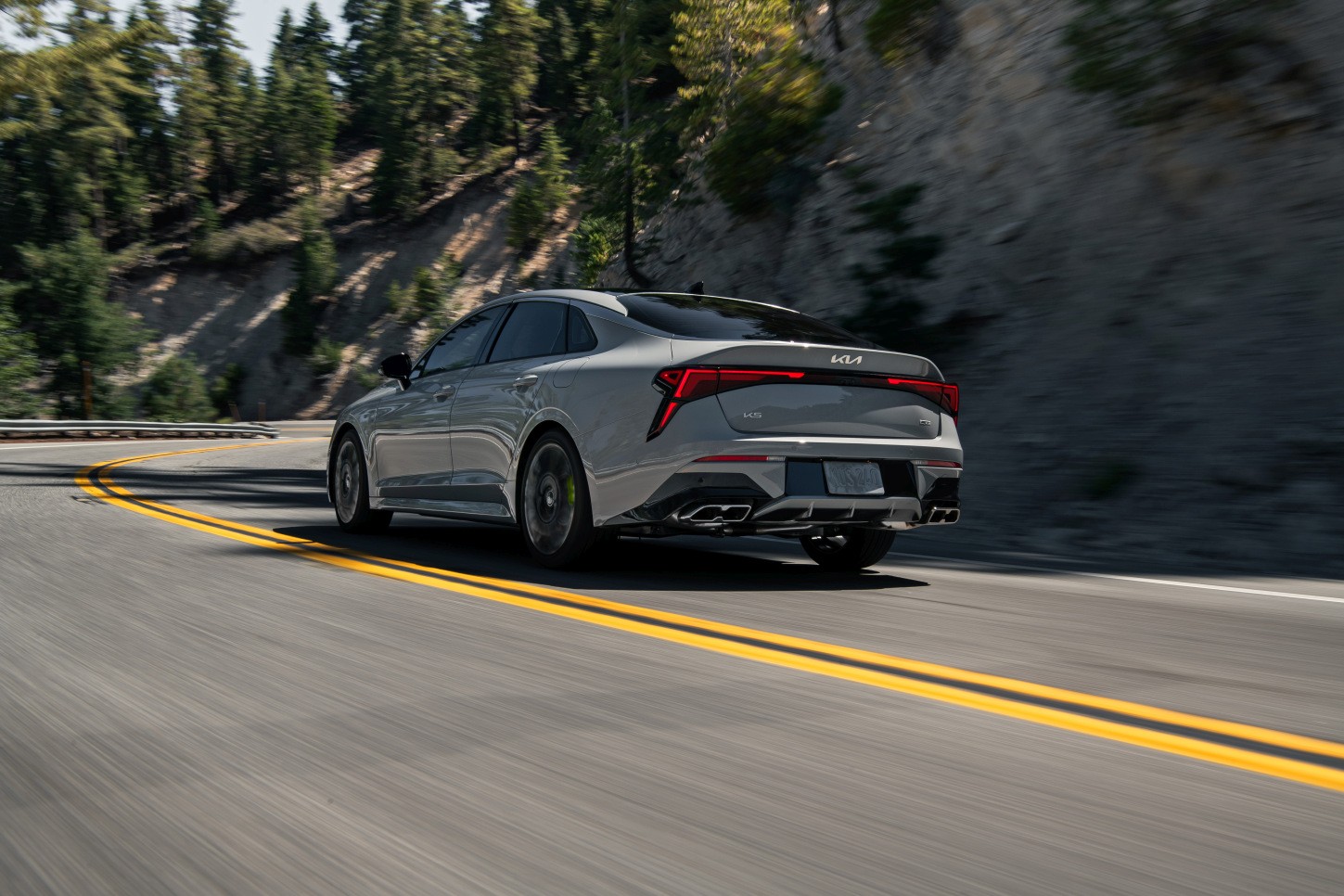
The 2025 Kia K5, with its sleek design, advanced technology, and powerful performance, promises a rewarding driving experience. However, like any vehicle, its longevity and optimal performance depend on consistent and timely maintenance. Understanding the recommended service schedule outlined by Kia is crucial for ensuring your K5 operates smoothly and reliably for years to come.
The Importance of Scheduled Maintenance
Adhering to the manufacturer’s recommended maintenance schedule is not just about following a set of instructions; it’s about proactively addressing potential issues before they escalate into costly repairs. Regular maintenance:
- Prevents major breakdowns: By addressing minor issues early, you can prevent them from escalating into major repairs, saving you time, money, and frustration.
- Extends vehicle lifespan: Regular maintenance keeps your K5 running smoothly, reducing wear and tear on its vital components, ultimately extending its overall lifespan.
- Enhances safety: Properly maintained brakes, tires, and lights ensure optimal safety on the road, protecting you and your passengers.
- Improves fuel efficiency: Regular servicing helps maintain optimal engine performance, contributing to better fuel economy.
- Maintains resale value: A well-maintained vehicle holds its value better, making it a more attractive option when you decide to sell or trade it in.
Understanding the 2025 Kia K5 Maintenance Schedule
Kia provides a comprehensive maintenance schedule for the 2025 K5, outlining the recommended services and their corresponding intervals. While specific details may vary depending on driving conditions and individual usage patterns, the general framework remains consistent. Here’s a breakdown of key service intervals:
1. Initial Service (1,000 miles)
- Oil Change: This initial oil change is crucial to remove any contaminants that may have accumulated during the break-in period.
- Tire Pressure Check: Ensuring optimal tire pressure is essential for fuel efficiency, handling, and safety.
- Fluid Levels: Checking and adjusting fluid levels for coolant, brake fluid, and windshield washer fluid is crucial for proper vehicle operation.
- Visual Inspection: This includes inspecting belts, hoses, lights, and other components for any signs of wear or damage.
2. Subsequent Services (5,000-mile intervals)
- Oil Change: Regular oil changes are essential for lubricating engine parts, reducing friction, and preventing premature wear.
- Tire Rotation: Rotating tires helps ensure even wear and extends their lifespan.
- Air Filter Replacement: A clean air filter allows for optimal airflow to the engine, improving performance and fuel efficiency.
- Fluid Levels: Regularly checking and topping off fluids like coolant and brake fluid is essential for maintaining optimal performance.
3. Additional Services (10,000-mile intervals)
- Brake Inspection: This includes inspecting brake pads, rotors, and calipers for wear or damage.
- Spark Plug Inspection/Replacement: Spark plugs ignite the fuel-air mixture, and replacing them when necessary ensures optimal combustion.
- Fuel Filter Replacement: A clean fuel filter prevents contaminants from entering the engine, ensuring optimal fuel flow and performance.
- Cabin Air Filter Replacement: A clean cabin air filter improves air quality inside the vehicle, enhancing comfort and reducing allergens.
4. Major Services (30,000-mile intervals)
- Engine Coolant Flush: Flushing the cooling system removes contaminants and ensures proper temperature regulation.
- Transmission Fluid Change: Changing transmission fluid helps maintain smooth gear shifting and extends the transmission’s lifespan.
- Differential Fluid Change: Replacing differential fluid helps prevent wear and tear on the drivetrain, ensuring smooth operation.
- Power Steering Fluid Change: This ensures optimal steering response and prevents premature wear on the steering system.
5. Extended Services (60,000-mile intervals)
- Timing Belt Inspection/Replacement: The timing belt synchronizes engine valves with the pistons, and replacing it at the recommended interval prevents catastrophic engine damage.
- Water Pump Inspection/Replacement: The water pump circulates coolant, and replacing it when necessary ensures optimal engine cooling.
- Serpentine Belt Inspection/Replacement: The serpentine belt powers various engine accessories, and replacing it when necessary ensures proper operation.
6. Beyond Scheduled Maintenance
- Regular Inspections: In addition to scheduled services, it’s advisable to have your K5 inspected by a qualified mechanic at least once a year or every 12,000 miles.
- Addressing Unusual Noises or Issues: If you notice any unusual noises, leaks, or changes in performance, it’s crucial to have your K5 inspected immediately.
FAQs Regarding 2025 Kia K5 Maintenance
Q: Can I perform some maintenance tasks myself?
A: While some basic maintenance tasks like checking fluids and replacing air filters can be done independently, more complex procedures like oil changes, brake inspections, and fluid flushes should be performed by a qualified mechanic.
Q: What if I drive less than the recommended mileage intervals?
A: Even if you drive less, it’s still important to adhere to the time-based intervals outlined in the maintenance schedule. Fluids degrade over time, and neglecting these intervals can lead to premature wear.
Q: What are the signs of a worn-out timing belt?
A: Signs of a worn-out timing belt include unusual noises, engine misfires, loss of power, and engine overheating.
Q: How can I find a reputable mechanic for my K5?
A: Look for a mechanic with experience working on Kia vehicles. Check online reviews and ask for recommendations from friends or family.
Tips for Maintaining Your 2025 Kia K5
- Keep a Maintenance Log: Maintain a detailed log of all maintenance tasks, including dates, mileage, and any parts replaced. This will help you track your K5’s maintenance history and ensure timely services.
- Use High-Quality Parts: When replacing parts, use genuine Kia parts or high-quality aftermarket equivalents.
- Follow the Owner’s Manual: The owner’s manual provides valuable information on recommended maintenance procedures, fluid specifications, and troubleshooting tips.
- Avoid Aggressive Driving: Aggressive driving habits like hard acceleration and frequent braking can increase wear and tear on your K5.
- Park in a Covered Area: Parking in a covered area can protect your K5 from the elements, reducing the risk of damage from sun, rain, or snow.
Conclusion
Maintaining your 2025 Kia K5 according to the manufacturer’s recommended schedule is essential for ensuring its optimal performance, longevity, and safety. By proactively addressing potential issues, you can prevent costly repairs and enjoy a rewarding driving experience for years to come. Remember, investing in regular maintenance is an investment in your vehicle’s health and your own peace of mind.







Closure
Thus, we hope this article has provided valuable insights into Maintaining Your 2025 Kia K5: A Guide to Optimal Performance and Longevity. We hope you find this article informative and beneficial. See you in our next article!