Navigating the 2025 Kia Sorento Dashboard: A Comprehensive Guide to Essential Symbols
Navigating the 2025 Kia Sorento Dashboard: A Comprehensive Guide to Essential Symbols
Introduction
With enthusiasm, let’s navigate through the intriguing topic related to Navigating the 2025 Kia Sorento Dashboard: A Comprehensive Guide to Essential Symbols. Let’s weave interesting information and offer fresh perspectives to the readers.
Table of Content
Navigating the 2025 Kia Sorento Dashboard: A Comprehensive Guide to Essential Symbols

The 2025 Kia Sorento, a robust and stylish SUV, boasts a modern and intuitive dashboard. While the sleek design may initially seem intimidating, the array of symbols and indicators are designed to be informative and user-friendly. This guide will demystify the dashboard’s visual language, providing a comprehensive understanding of each symbol’s meaning and significance.
Understanding the Dashboard Layout
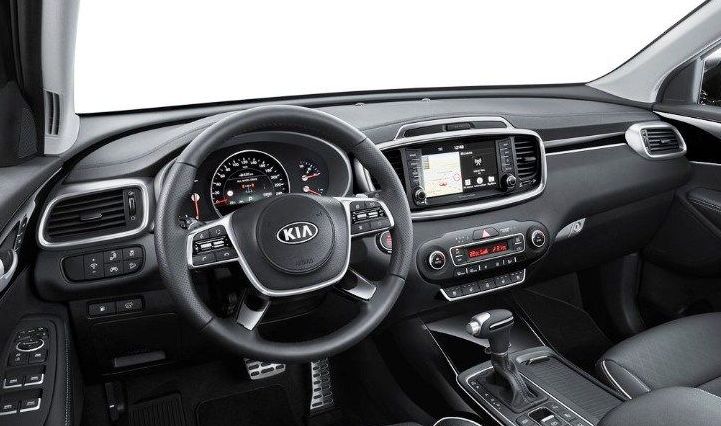
The 2025 Kia Sorento’s dashboard is divided into distinct zones, each dedicated to specific vehicle functions. The central instrument cluster, positioned behind the steering wheel, houses the speedometer, tachometer, and fuel gauge. To the driver’s right, the multi-information display (MID) provides crucial information like trip data, navigation guidance, and vehicle settings. The center console houses the touchscreen infotainment system, climate control panel, and various other controls.
Essential Dashboard Symbols and Their Meanings
Warning Lights
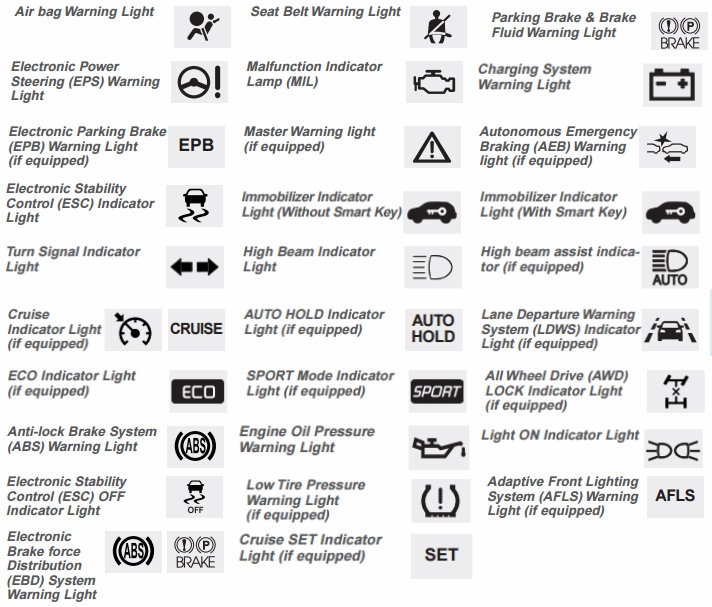
- Engine Malfunction Indicator Light (MIL): This light, often depicted as a stylized engine, illuminates when the onboard computer detects a problem with the engine. It necessitates immediate attention from a qualified mechanic.
- Airbag Warning Light: A symbol resembling a person sitting in a seat with a deployed airbag indicates a potential malfunction in the airbag system. Prompt service is crucial for safety.
- Anti-Lock Braking System (ABS) Warning Light: This light, often depicted as a stylized car with an ABS symbol, indicates a problem with the ABS system. While the brakes will still function, their effectiveness may be compromised.
- Tire Pressure Monitoring System (TPMS) Warning Light: This light, typically represented by a tire with an exclamation mark, alerts the driver to low tire pressure. Maintaining proper tire pressure is essential for optimal handling and fuel efficiency.
- Brake System Warning Light: This light, usually a stylized brake caliper, signals a problem with the braking system. Immediate attention is required.
- Battery Warning Light: A symbol depicting a battery indicates a problem with the charging system or battery itself. It’s important to address this issue promptly to prevent a sudden stall.
- Electronic Stability Control (ESC) Warning Light: This light, often a stylized car with a curve, indicates a malfunction in the ESC system, which helps maintain vehicle stability during challenging driving conditions.
- Traction Control System (TCS) Warning Light: This light, typically depicting a car with a stylized skid mark, indicates a problem with the TCS system, which helps prevent wheel slippage.
- Low Fuel Warning Light: A stylized fuel pump or a fuel gauge icon with an arrow pointing downward indicates low fuel levels. It’s time to refuel!
- Oil Pressure Warning Light: A symbol resembling an oil can or a stylized oil drop signals low oil pressure. This is a serious issue that requires immediate attention.
- Temperature Warning Light: This light, often depicted as a thermometer, indicates an overheating engine. It’s crucial to pull over and allow the engine to cool down.
- Seatbelt Warning Light: This light, typically a stylized seatbelt with an exclamation mark, reminds the driver and passengers to buckle up.
Informational Lights
- High Beam Indicator Light: This light, often a blue or white stylized headlight, indicates that the high beams are activated.
- Turn Signal Indicator Light: This light, typically a green or amber arrow, indicates the direction of the turn signal.
- Fog Light Indicator Light: This light, often depicted as a stylized fog lamp, indicates that the fog lights are activated.
- Parking Brake Indicator Light: This light, typically a red handbrake symbol, indicates that the parking brake is engaged.
- Lane Departure Warning (LDW) Indicator Light: This light, often a stylized car with a curved path, indicates that the vehicle is drifting out of its lane.
- Adaptive Cruise Control (ACC) Indicator Light: This light, typically a stylized cruise control symbol with a radar icon, indicates that the ACC system is active.
- Blind Spot Monitoring (BSM) Indicator Light: This light, often a stylized car with a blind spot icon, indicates that a vehicle is detected in the blind spot.
Understanding the Importance of Dashboard Symbols
The dashboard symbols serve as crucial communication channels between the vehicle and the driver. They alert the driver to potential problems, provide information about the vehicle’s status, and guide them in making informed decisions. Ignoring these signals can lead to serious consequences, ranging from minor inconveniences to dangerous situations.
FAQs about Dashboard Symbols
Q: What should I do if a warning light illuminates on my dashboard?
A: If a warning light illuminates, it’s important to take immediate action. Consult your owner’s manual for specific instructions regarding the particular warning light. In most cases, it’s advisable to pull over to a safe location and assess the situation. If the problem appears serious, contact a qualified mechanic for assistance.
Q: What does it mean if a light is flashing?
A: A flashing light often indicates a more urgent problem than a steady light. It’s essential to address the issue promptly.
Q: What if a light illuminates but then disappears?
A: While the light may have gone out, it’s still advisable to monitor the situation. The issue may have been temporary, but it could also indicate a recurring problem that needs attention.
Q: How can I learn more about the symbols on my dashboard?
A: Your owner’s manual provides a comprehensive explanation of all the symbols and their meanings. You can also consult the Kia website or contact a local Kia dealership for assistance.
Tips for Understanding Dashboard Symbols
- Familiarize Yourself with the Symbols: Spend time studying the symbols in your owner’s manual and become familiar with their meanings.
- Pay Attention to the Colors: Different colors are used to indicate the severity of the situation. Red lights generally signal critical problems, while yellow lights indicate warnings.
- Don’t Ignore Warning Lights: If a warning light illuminates, don’t ignore it. Take appropriate action to address the issue.
- Seek Professional Assistance: If you are unsure about the meaning of a symbol or the required action, consult a qualified mechanic.
Conclusion
The dashboard symbols in the 2025 Kia Sorento are designed to keep you informed and safe. By understanding their meanings and taking appropriate action when necessary, you can ensure a smooth and enjoyable driving experience. Regularly reviewing your owner’s manual and paying close attention to the dashboard symbols will empower you to make informed decisions and maintain the optimal performance of your vehicle.





Closure
Thus, we hope this article has provided valuable insights into Navigating the 2025 Kia Sorento Dashboard: A Comprehensive Guide to Essential Symbols. We appreciate your attention to our article. See you in our next article!