Navigating the Future: A Look at Fuel Efficiency in the 2025 Kia K5
Navigating the Future: A Look at Fuel Efficiency in the 2025 Kia K5
Introduction
In this auspicious occasion, we are delighted to delve into the intriguing topic related to Navigating the Future: A Look at Fuel Efficiency in the 2025 Kia K5. Let’s weave interesting information and offer fresh perspectives to the readers.
Table of Content
Navigating the Future: A Look at Fuel Efficiency in the 2025 Kia K5
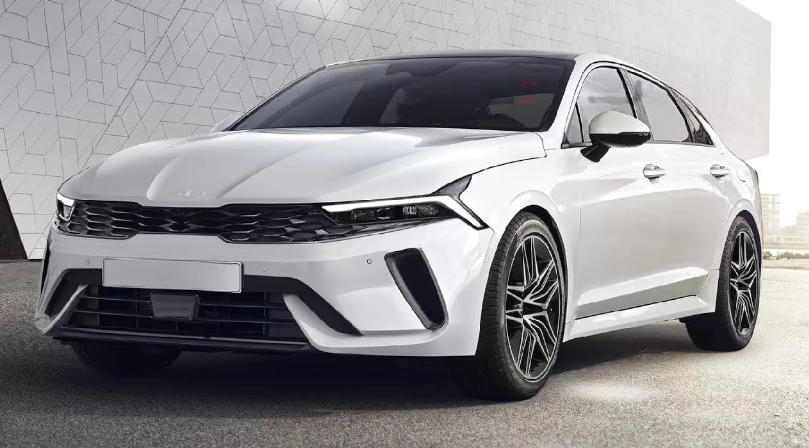
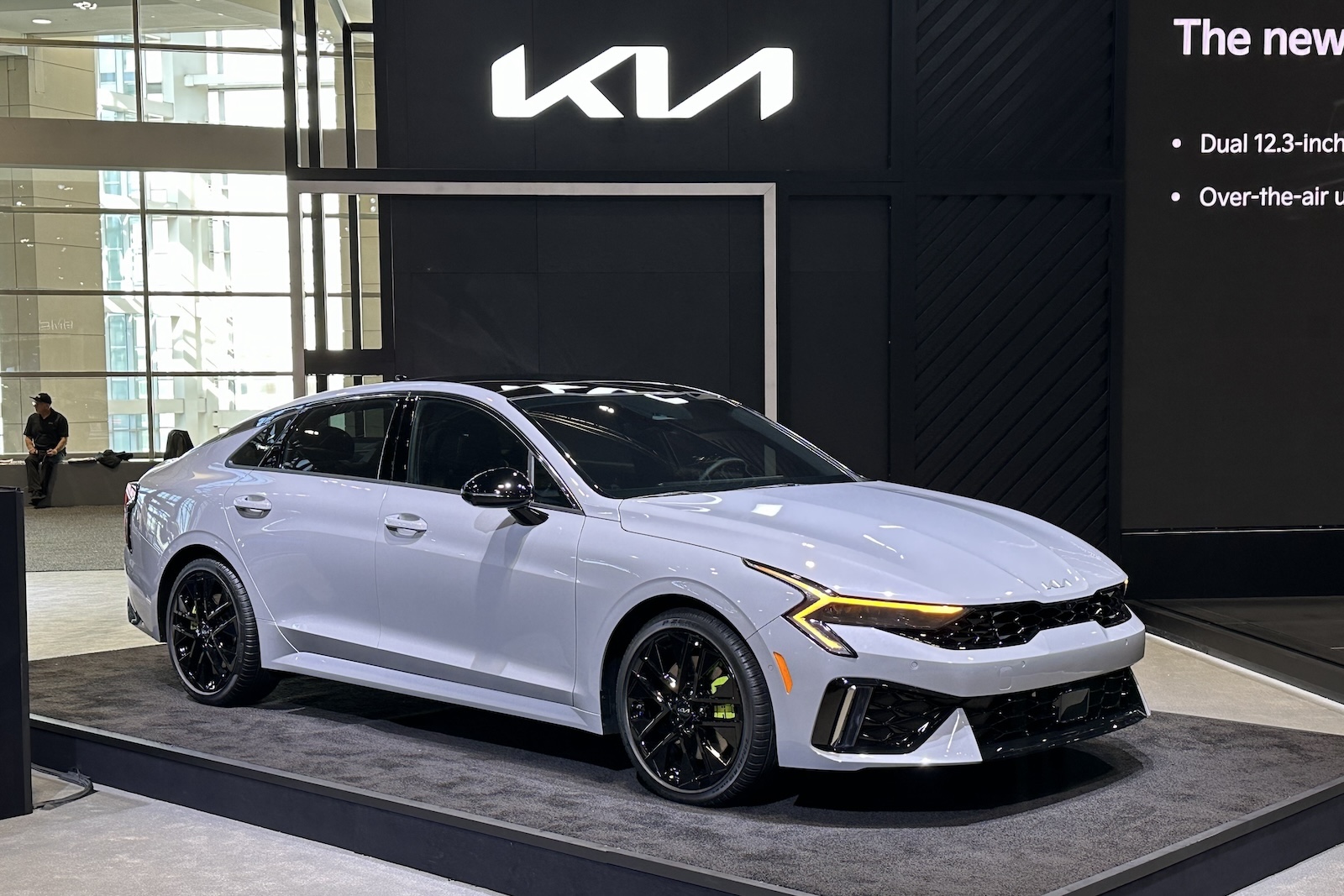
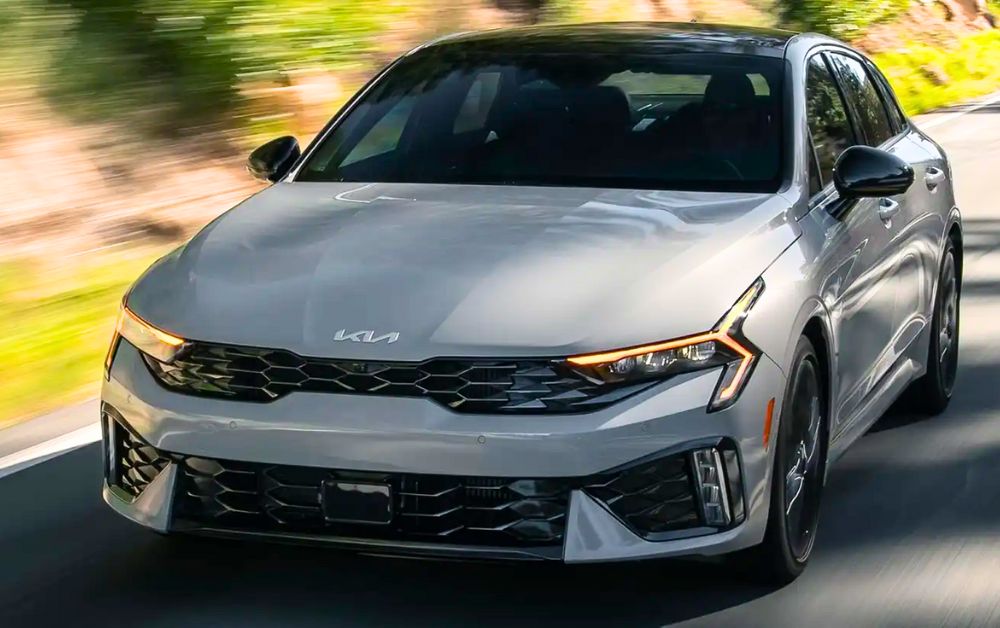
The automotive industry is constantly evolving, with manufacturers striving to deliver vehicles that are not only stylish and powerful but also environmentally conscious. Fuel efficiency has become a paramount concern, driving the development of innovative technologies and design strategies. The 2025 Kia K5, anticipated to be a significant player in the mid-size sedan segment, is expected to embody this commitment to efficient performance.
While specific fuel economy figures for the 2025 Kia K5 remain under wraps, analyzing current trends and technological advancements provides a glimpse into what we can expect.
Factors Influencing Fuel Efficiency:
Several factors contribute to a vehicle’s fuel efficiency, and the 2025 Kia K5 is likely to incorporate many of these:
- Engine Technology: Advancements in engine design, such as direct injection, turbocharging, and variable valve timing, enhance combustion efficiency and power output while minimizing fuel consumption. The K5’s engine could potentially feature a hybrid or plug-in hybrid powertrain, further boosting fuel economy.
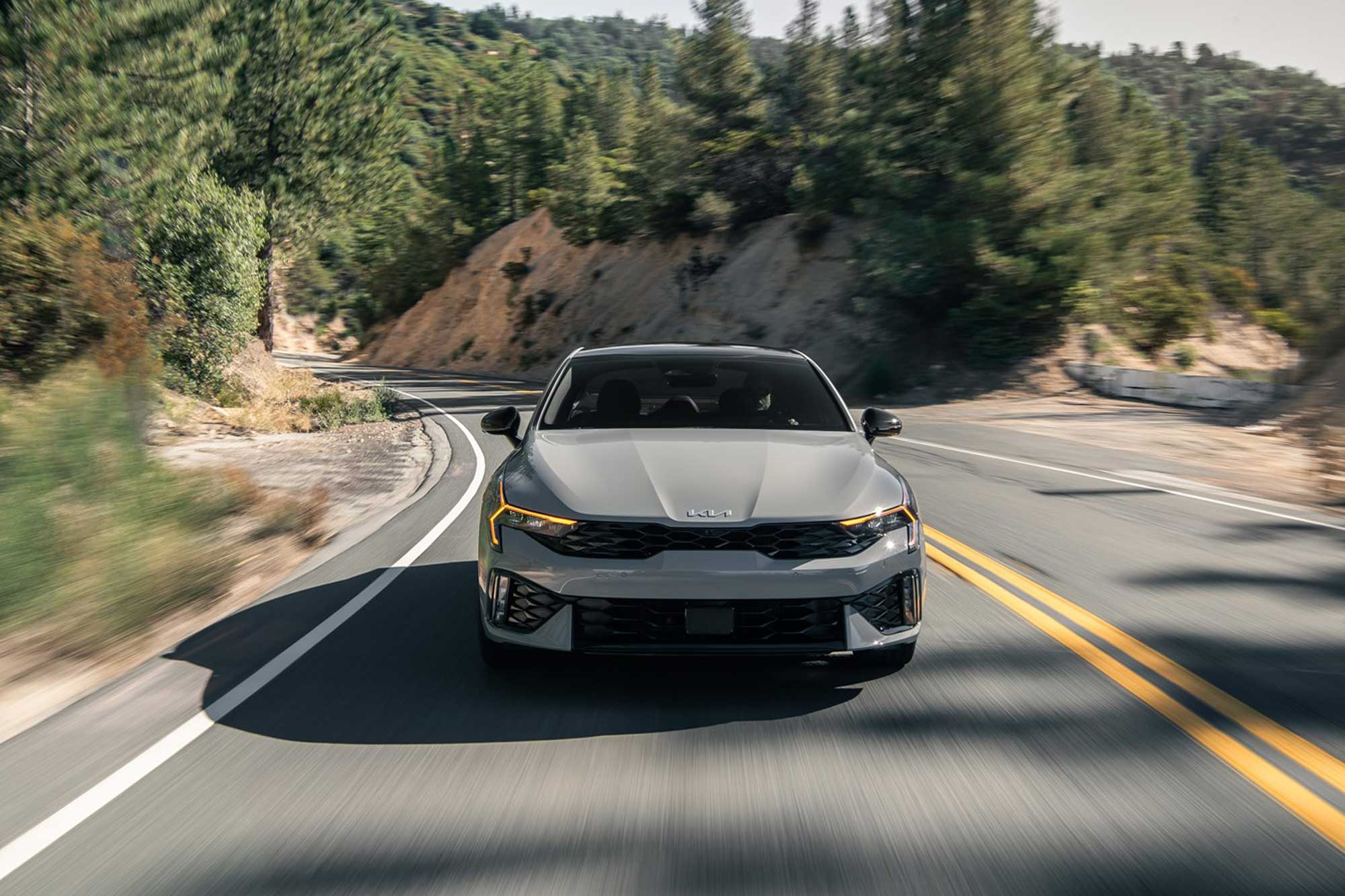
- Aerodynamics: A streamlined body design reduces air resistance, leading to improved fuel efficiency. The 2025 K5 is expected to adopt a sleek and aerodynamic profile, minimizing drag and maximizing fuel savings.
- Lightweight Materials: Utilizing lightweight materials, such as aluminum and carbon fiber, in key components can reduce overall vehicle weight, thereby improving fuel economy. The K5 could incorporate these materials in its chassis and body panels.
- Transmission Technology: Advanced transmissions, such as dual-clutch automatics or continuously variable transmissions (CVTs), optimize gear ratios for efficient power delivery, contributing to better fuel economy.
- Driver Assistance Systems: Features like adaptive cruise control and lane-keeping assist help maintain a consistent speed and reduce aggressive driving, leading to improved fuel efficiency.
The Significance of Fuel Efficiency:
Fuel efficiency is not merely a technical specification; it holds significant implications for both individuals and the environment:
- Reduced Fuel Costs: Higher fuel efficiency translates into lower fuel consumption, resulting in substantial savings for drivers. The K5’s expected fuel economy could significantly reduce the cost of ownership.
- Lower Emissions: By consuming less fuel, vehicles emit fewer greenhouse gases, contributing to a cleaner environment. The K5’s commitment to fuel efficiency aligns with efforts to mitigate climate change.
- Increased Range: With improved fuel economy, vehicles can travel greater distances on a single tank of fuel, reducing the frequency of refueling stops. This is particularly beneficial for long-distance driving.
Exploring the Potential of the 2025 Kia K5:
While concrete details about the 2025 K5’s fuel economy are yet to be revealed, its predecessor, the 2023 Kia K5, offers a starting point for speculation. The 2023 K5 achieves an EPA-estimated 29 mpg combined for its base engine and 30 mpg combined for its turbocharged engine.
Considering the advancements in technology and the industry-wide trend towards fuel efficiency, the 2025 K5 could potentially achieve a combined fuel economy exceeding 30 mpg, and even surpass 35 mpg with its hybrid or plug-in hybrid variants.
FAQs about Fuel Efficiency in the 2025 Kia K5:
Q: Will the 2025 Kia K5 offer a hybrid or plug-in hybrid powertrain?
A: While Kia has not officially confirmed these options for the 2025 K5, the growing popularity of hybrid and plug-in hybrid vehicles makes it a strong possibility.
Q: How will the 2025 K5’s fuel efficiency compare to its competitors?
A: The 2025 K5 is likely to be competitive in terms of fuel efficiency, aiming to match or surpass the fuel economy of its rivals in the mid-size sedan segment.
Q: What are the key factors influencing fuel efficiency in the 2025 K5?
A: As mentioned earlier, engine technology, aerodynamics, lightweight materials, transmission technology, and driver assistance systems all play crucial roles in determining the K5’s fuel economy.
Tips for Maximizing Fuel Efficiency in the 2025 Kia K5:
- Maintain Proper Tire Inflation: Underinflated tires increase rolling resistance, reducing fuel efficiency. Regularly check and adjust tire pressure to the manufacturer’s recommendations.
- Avoid Aggressive Driving: Harsh acceleration and braking consume more fuel. Smooth driving habits, such as gradual acceleration and coasting to a stop, can significantly improve fuel economy.
- Regular Maintenance: Ensure your vehicle is well-maintained, with regular oil changes, air filter replacements, and tune-ups. Proper maintenance optimizes engine performance and fuel efficiency.
- Minimize Idling: Avoid idling unnecessarily. Turn off the engine when parked for extended periods or waiting for short intervals.
Conclusion:
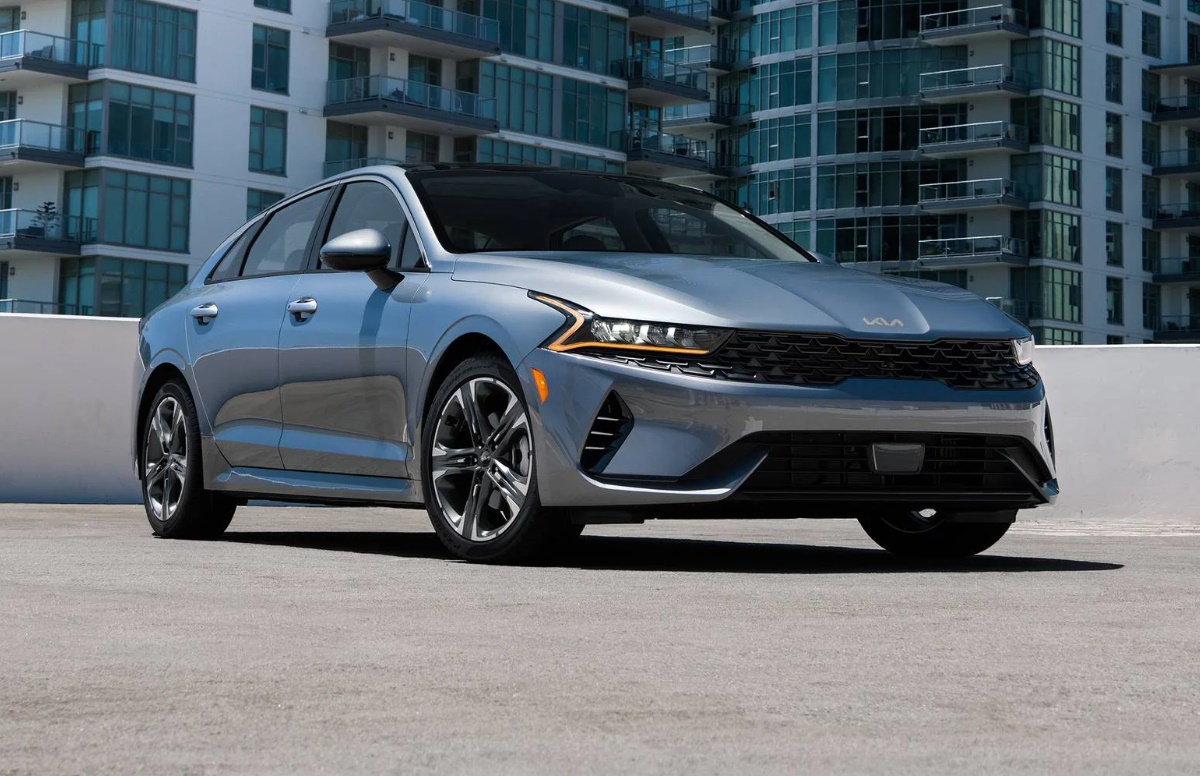
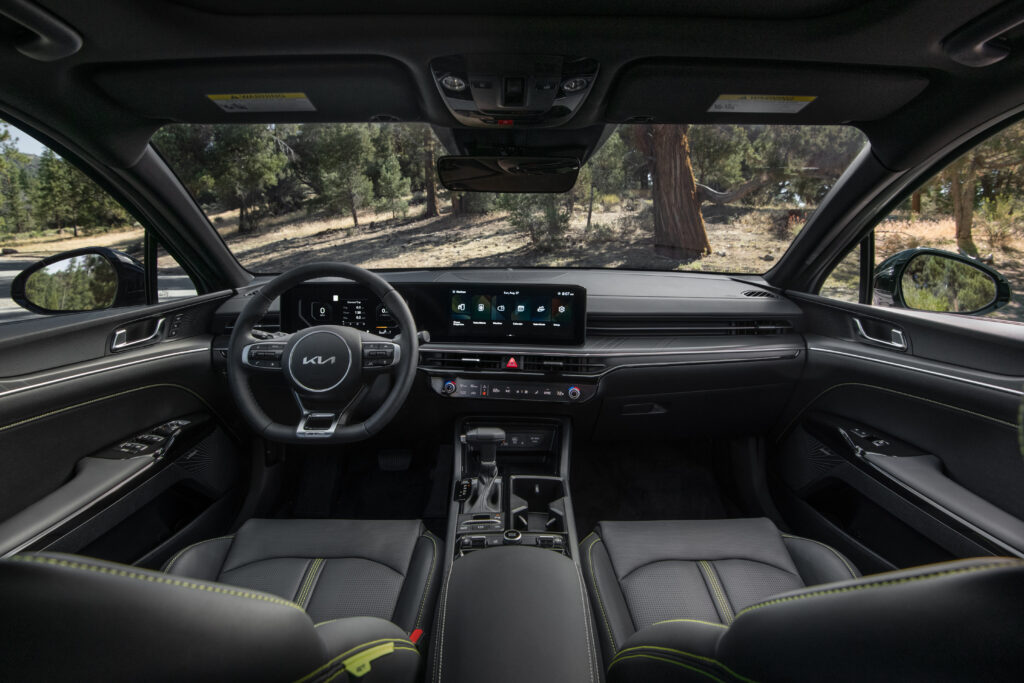
The 2025 Kia K5 is poised to be a frontrunner in the mid-size sedan segment, combining style, performance, and fuel efficiency. While specific fuel economy figures are yet to be announced, the K5 is likely to achieve impressive fuel economy, reflecting Kia’s commitment to sustainability and driver satisfaction. As technology continues to evolve, we can expect even greater fuel efficiency improvements in future iterations of the Kia K5, further contributing to a cleaner and more sustainable transportation landscape.



Closure
Thus, we hope this article has provided valuable insights into Navigating the Future: A Look at Fuel Efficiency in the 2025 Kia K5. We thank you for taking the time to read this article. See you in our next article!