The 2025 Kia K5: A Deeper Look at its Weight and its Impact
The 2025 Kia K5: A Deeper Look at its Weight and its Impact
Introduction
In this auspicious occasion, we are delighted to delve into the intriguing topic related to The 2025 Kia K5: A Deeper Look at its Weight and its Impact. Let’s weave interesting information and offer fresh perspectives to the readers.
Table of Content
The 2025 Kia K5: A Deeper Look at its Weight and its Impact
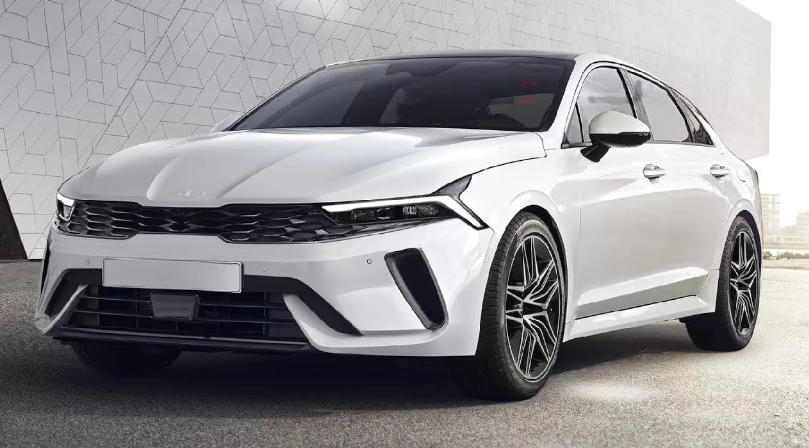
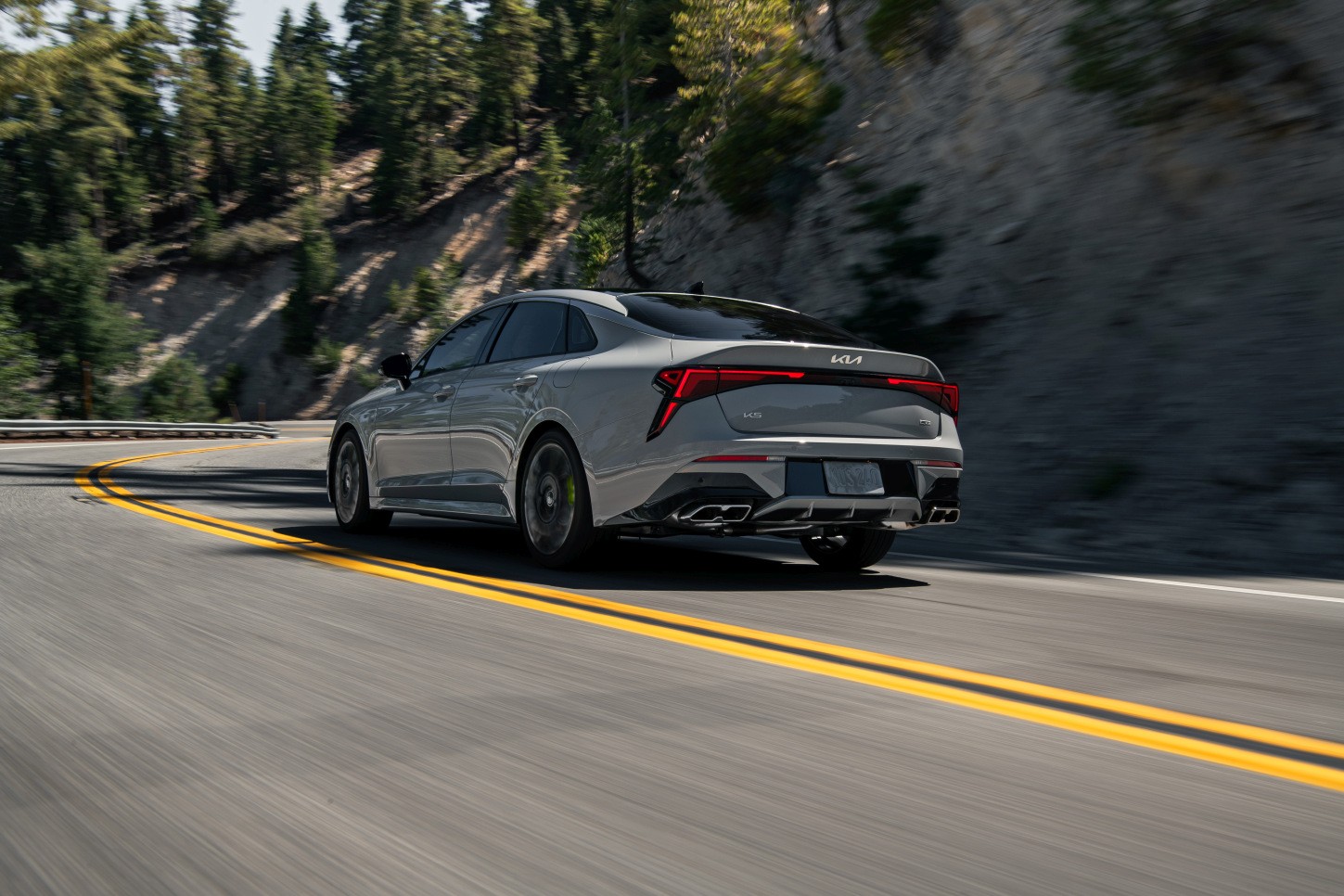
The Kia K5, a popular mid-size sedan, has garnered attention for its stylish design, advanced technology, and impressive performance. However, a crucial factor often overlooked is its weight. Understanding the weight of the 2025 Kia K5 provides valuable insights into its handling, fuel efficiency, and overall driving experience.
Weight Distribution and its Influence on Handling:
The weight distribution of a vehicle significantly impacts its handling characteristics. A well-balanced weight distribution, where the weight is evenly distributed across the axles, results in better stability, responsiveness, and control. The 2025 Kia K5, with its carefully engineered chassis and suspension, aims to achieve an optimal weight distribution. This translates to a more predictable and engaging driving experience, particularly in corners and during sudden maneuvers.
Fuel Efficiency and its Impact on Performance:
A heavier vehicle typically consumes more fuel than a lighter one. This is due to the increased energy required to move the additional mass. The 2025 Kia K5, while not the lightest in its class, employs various strategies to optimize fuel efficiency. These include:
- Lightweight Materials: The use of high-strength, lightweight materials such as aluminum and high-tensile steel in the body construction helps reduce overall weight.
- Aerodynamic Design: The K5’s sleek and aerodynamic design reduces drag, leading to better fuel economy.
- Efficient Powertrain: The K5’s engine and transmission are designed to deliver optimal performance while minimizing fuel consumption.
The Impact of Weight on Safety:
While a lighter vehicle may offer better fuel efficiency, it can sometimes compromise safety. A heavier vehicle provides more inertia, which can help absorb impact energy in a collision. The 2025 Kia K5, however, prioritizes safety without compromising on weight. Its robust structure, advanced safety features, and multiple airbags provide comprehensive protection for occupants.
Understanding the Importance of Weight:
The weight of the 2025 Kia K5 is not merely a numerical figure. It plays a crucial role in shaping the vehicle’s performance, fuel efficiency, and safety. By carefully managing its weight, Kia aims to deliver a balanced and well-rounded driving experience.
FAQs about the 2025 Kia K5’s Weight:
- What is the approximate weight of the 2025 Kia K5? The exact weight may vary depending on the trim level, engine option, and additional features. However, the base model is expected to weigh around 3,300 pounds.
- How does the weight of the K5 compare to its competitors? The 2025 Kia K5’s weight falls within the average range for mid-size sedans. Its competitors, such as the Honda Accord and Toyota Camry, have similar weights.
- Does the weight impact the K5’s handling? The K5’s weight distribution and suspension tuning are designed to ensure responsive and predictable handling. While a lighter vehicle may offer sharper handling, the K5 prioritizes stability and control.
- How does the weight affect the K5’s fuel efficiency? The K5’s weight is carefully managed to achieve a balance between performance and fuel economy. Its lightweight materials, aerodynamic design, and efficient powertrain contribute to its overall fuel efficiency.
Tips for Optimizing the 2025 Kia K5’s Weight:
- Avoid Excessive Cargo: Loading the trunk or passenger compartment with unnecessary weight can negatively impact fuel efficiency and handling.
- Regular Maintenance: Maintaining the K5’s tires at the recommended pressure and ensuring the vehicle is regularly serviced can help optimize its weight distribution and performance.
- Drive Responsibly: Aggressive driving styles can increase fuel consumption and wear and tear on the vehicle, ultimately affecting its weight and performance.
Conclusion:
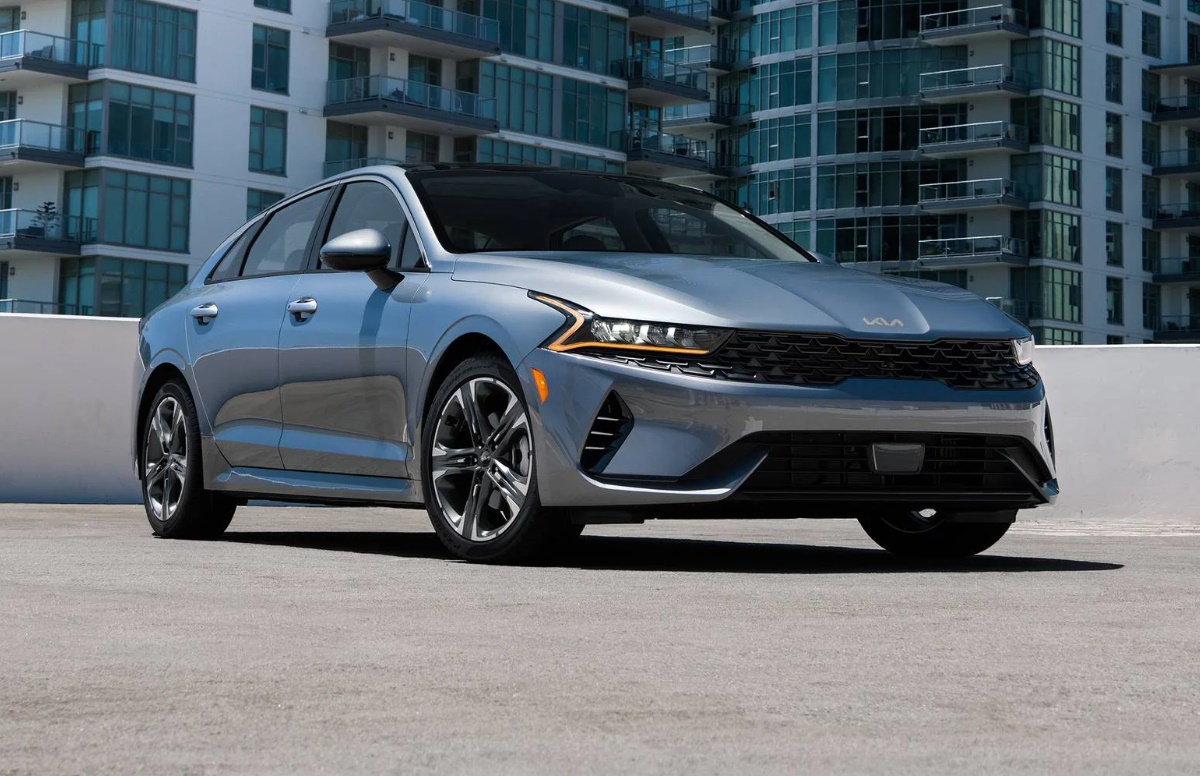
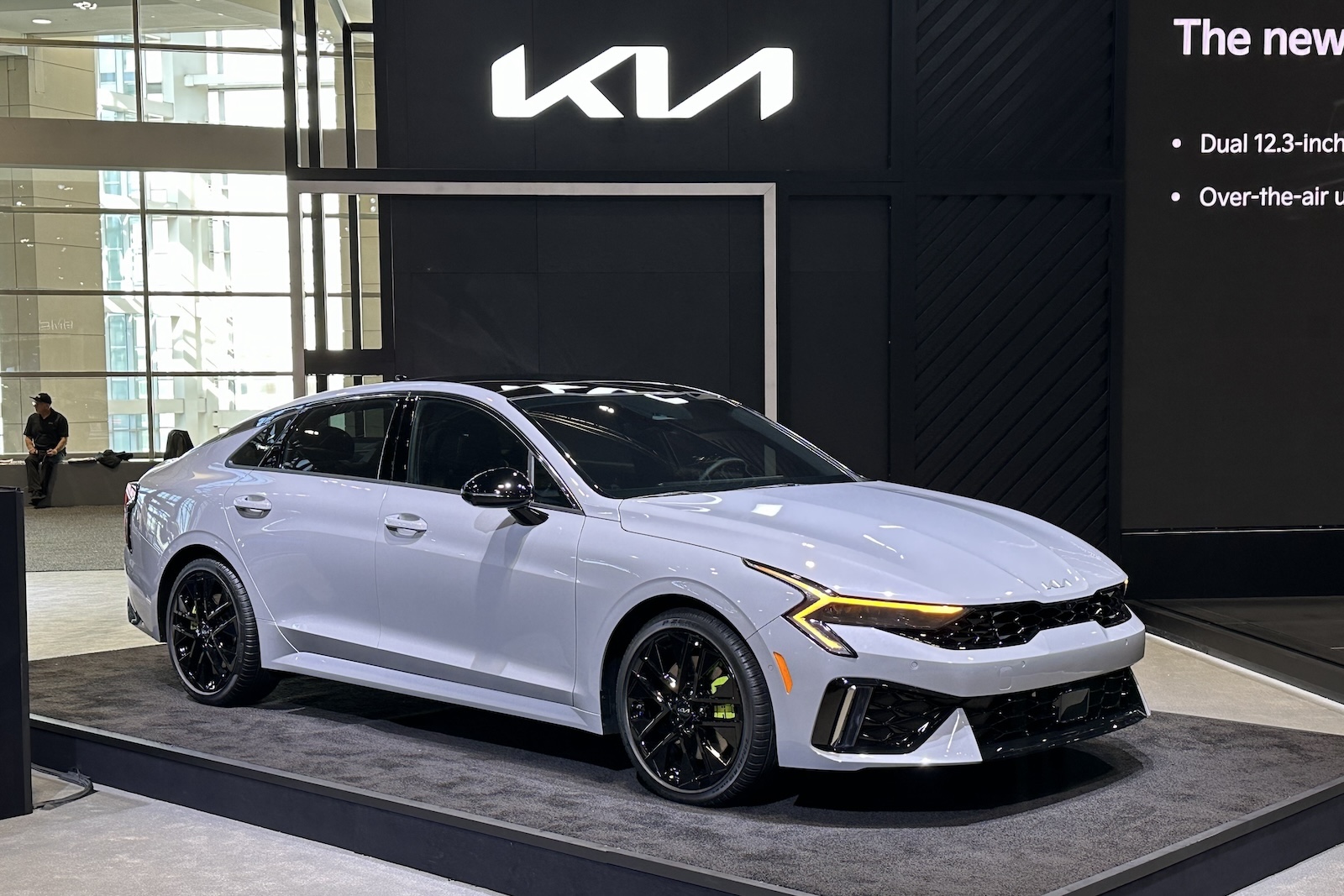
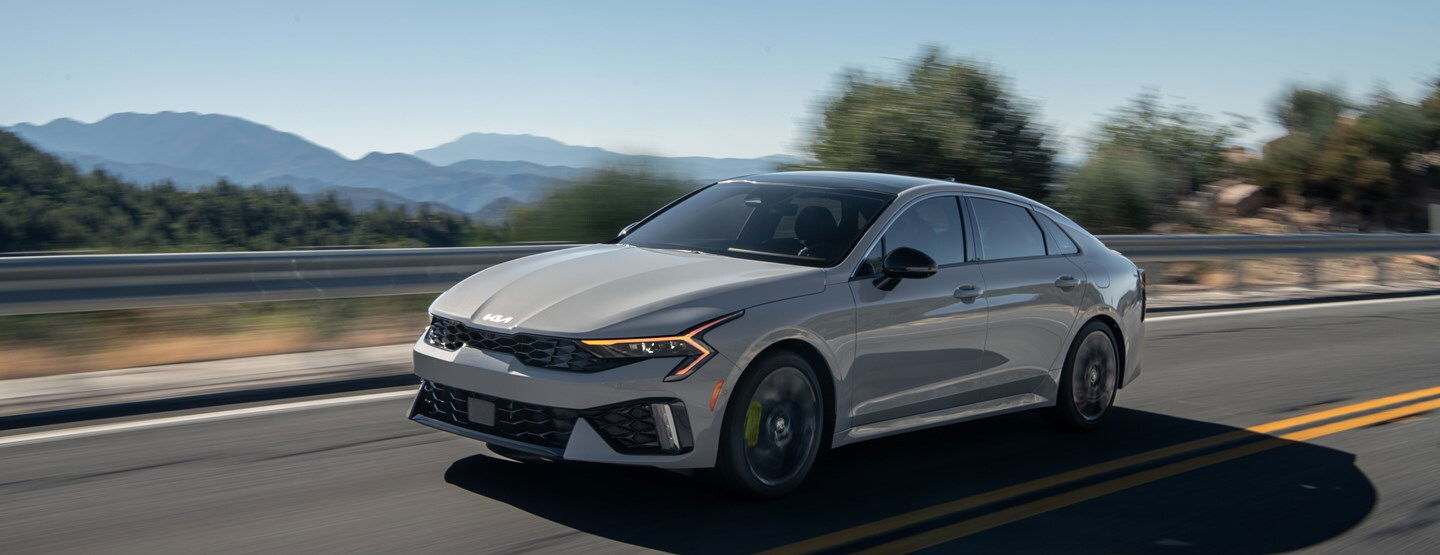
The weight of the 2025 Kia K5 is a critical factor that influences its performance, fuel efficiency, and safety. By understanding its weight and its impact, drivers can make informed decisions regarding their driving habits and vehicle maintenance. The K5, with its carefully engineered weight management, delivers a well-rounded and satisfying driving experience while prioritizing both performance and efficiency.




Closure
Thus, we hope this article has provided valuable insights into The 2025 Kia K5: A Deeper Look at its Weight and its Impact. We hope you find this article informative and beneficial. See you in our next article!