The 2025 Kia K5 AWD: A Look at Fuel Efficiency and Performance
The 2025 Kia K5 AWD: A Look at Fuel Efficiency and Performance
Introduction
With enthusiasm, let’s navigate through the intriguing topic related to The 2025 Kia K5 AWD: A Look at Fuel Efficiency and Performance. Let’s weave interesting information and offer fresh perspectives to the readers.
Table of Content
The 2025 Kia K5 AWD: A Look at Fuel Efficiency and Performance
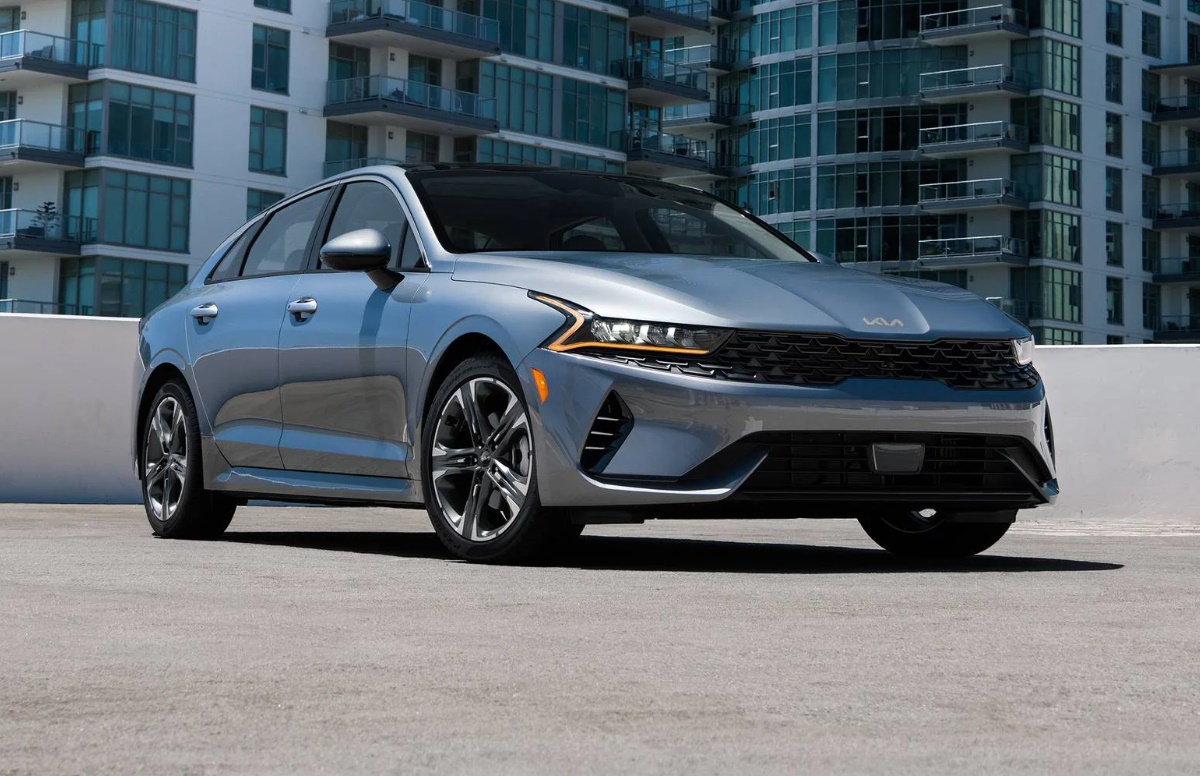
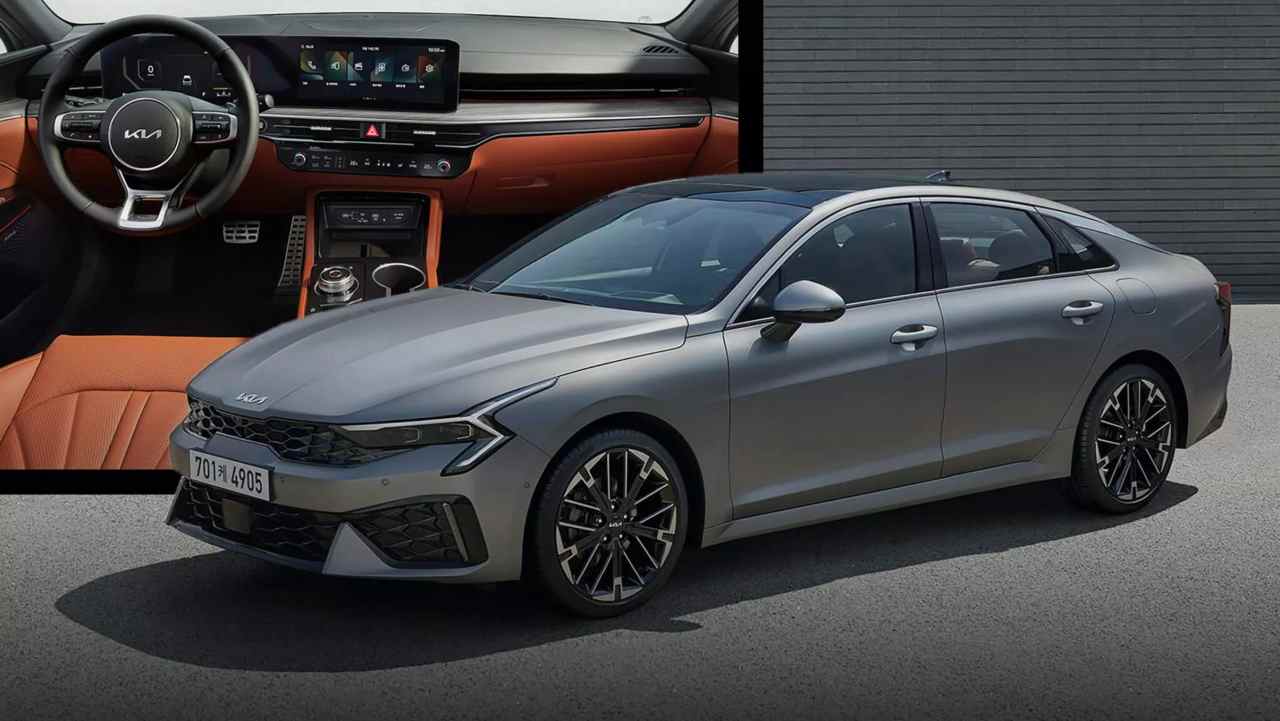
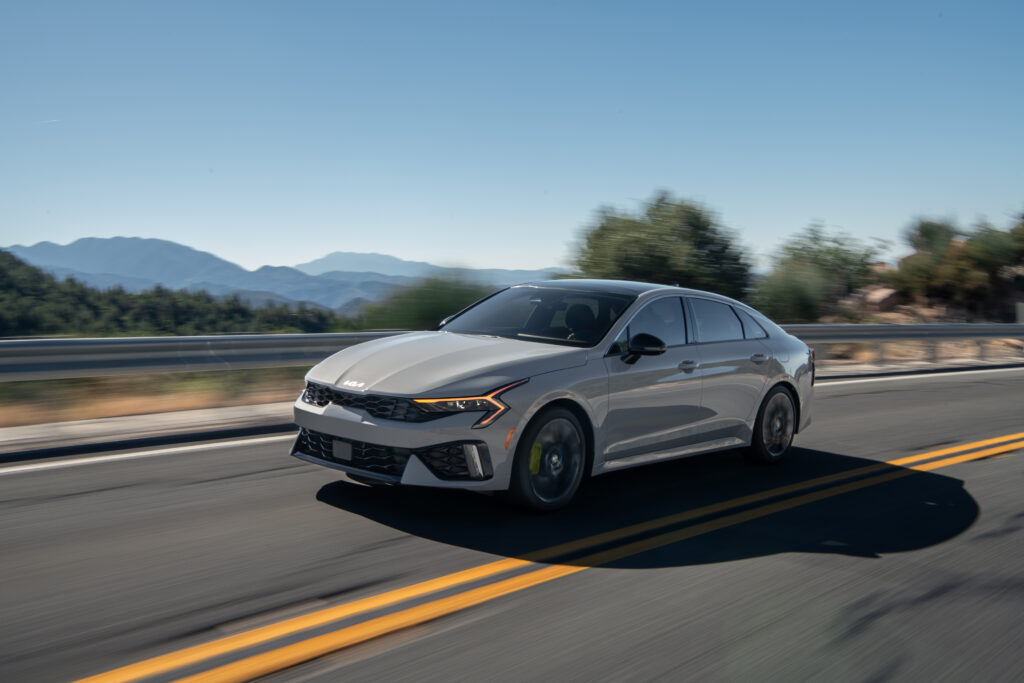
The 2025 Kia K5 AWD is a mid-size sedan that blends stylish design with impressive performance and a commitment to fuel efficiency. While specific fuel economy figures for the 2025 model year are not yet available, analyzing current trends and examining the K5’s existing powertrain options provides a strong foundation for understanding its potential fuel efficiency.
Understanding the Factors Influencing Fuel Efficiency
Several key factors contribute to a vehicle’s fuel efficiency, including:
- Engine Technology: The K5’s engine plays a crucial role in determining its fuel consumption. The current K5 offers a 1.6L turbocharged four-cylinder engine and a 2.5L naturally aspirated four-cylinder engine. Both engines are known for their balance of power and efficiency, but the turbocharged option generally delivers slightly better fuel economy.
- Transmission: The K5’s standard eight-speed automatic transmission is designed to optimize gear ratios for smooth acceleration and efficient fuel consumption.
- All-Wheel Drive (AWD) System: While AWD systems offer enhanced traction and stability, they can slightly increase fuel consumption compared to front-wheel drive models due to the added weight and mechanical complexity.
- Aerodynamics: The K5’s aerodynamic design minimizes wind resistance, contributing to better fuel efficiency.
- Driving Habits: Driving style significantly impacts fuel economy. Aggressive acceleration, frequent braking, and excessive speed all contribute to higher fuel consumption.
Current K5 Fuel Economy Estimates
Based on the 2023 model year, the Kia K5 with front-wheel drive (FWD) offers estimated fuel economy figures of:
- 1.6L Turbocharged Engine: 29 mpg city, 38 mpg highway, 32 mpg combined.
- 2.5L Naturally Aspirated Engine: 28 mpg city, 37 mpg highway, 32 mpg combined.
While the 2025 K5 AWD’s specific fuel economy figures are yet to be released, it is reasonable to expect a slight decrease in fuel economy compared to its FWD counterparts due to the added weight and mechanical complexity of the AWD system. However, Kia is continuously refining its powertrain technology and fuel efficiency measures, suggesting that the 2025 K5 AWD could still achieve respectable fuel economy figures.
The Importance of Fuel Efficiency in the 2025 Kia K5 AWD
Fuel efficiency is a crucial factor for car buyers for several reasons:
- Cost Savings: Lower fuel consumption translates into significant savings on gasoline costs over time.
- Environmental Impact: Reduced fuel consumption minimizes greenhouse gas emissions, contributing to a healthier environment.
- Increased Driving Range: A more fuel-efficient vehicle allows for longer journeys between refueling stops, enhancing convenience and reducing the need for frequent pit stops.
FAQs about the 2025 Kia K5 AWD Fuel Economy
Q: Will the 2025 K5 AWD be more fuel-efficient than the 2023 model?
A: While specific fuel economy figures for the 2025 model are not yet available, Kia’s commitment to fuel efficiency suggests that improvements are likely. However, the added weight and mechanical complexity of the AWD system could potentially impact fuel economy.
Q: What driving habits can help improve the 2025 K5 AWD’s fuel efficiency?
A: Adopting fuel-efficient driving practices can significantly enhance fuel economy. These practices include:
- Smooth Acceleration: Avoid sudden bursts of acceleration, as this consumes more fuel.
- Anticipate Braking: Smooth braking reduces fuel consumption and wear on the brakes.
- Maintain a Steady Speed: Cruising at a consistent speed optimizes fuel efficiency.
- Avoid Idling: Turn off the engine when parked for extended periods.
- Use Cruise Control: Cruise control helps maintain a steady speed, improving fuel economy.
Q: What features are available to help enhance the 2025 K5 AWD’s fuel efficiency?
A: The 2025 K5 AWD is likely to feature several technologies designed to optimize fuel consumption, including:
- Start-Stop System: This system automatically shuts off the engine when the car is stopped, reducing fuel consumption.
- Active Grille Shutters: These shutters open and close to regulate airflow through the engine compartment, improving aerodynamic efficiency.
- Eco Mode: This driving mode adjusts engine settings and transmission programming to prioritize fuel economy.
Tips for Improving Fuel Efficiency in the 2025 Kia K5 AWD
- Regular Maintenance: Ensure that the engine, tires, and other components are properly maintained to maximize fuel efficiency.
- Tire Pressure: Maintain proper tire pressure as recommended by the manufacturer. Underinflated tires can increase fuel consumption.
- Avoid Excess Weight: Reduce unnecessary weight in the car to improve fuel efficiency.
- Use the Right Fuel: Use the recommended fuel grade specified by the manufacturer.
Conclusion
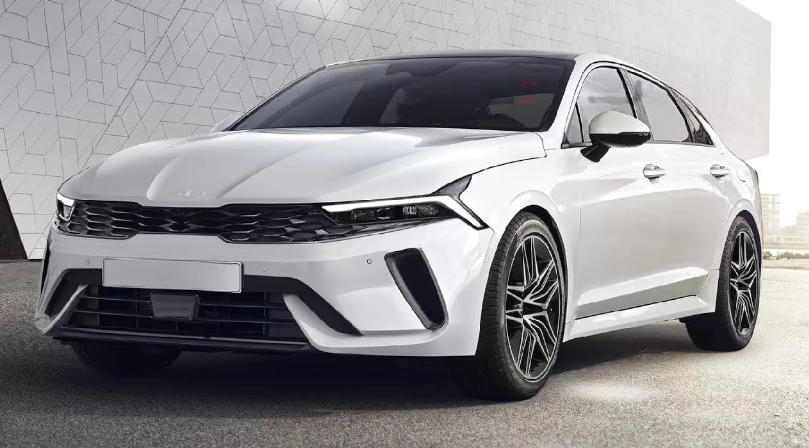
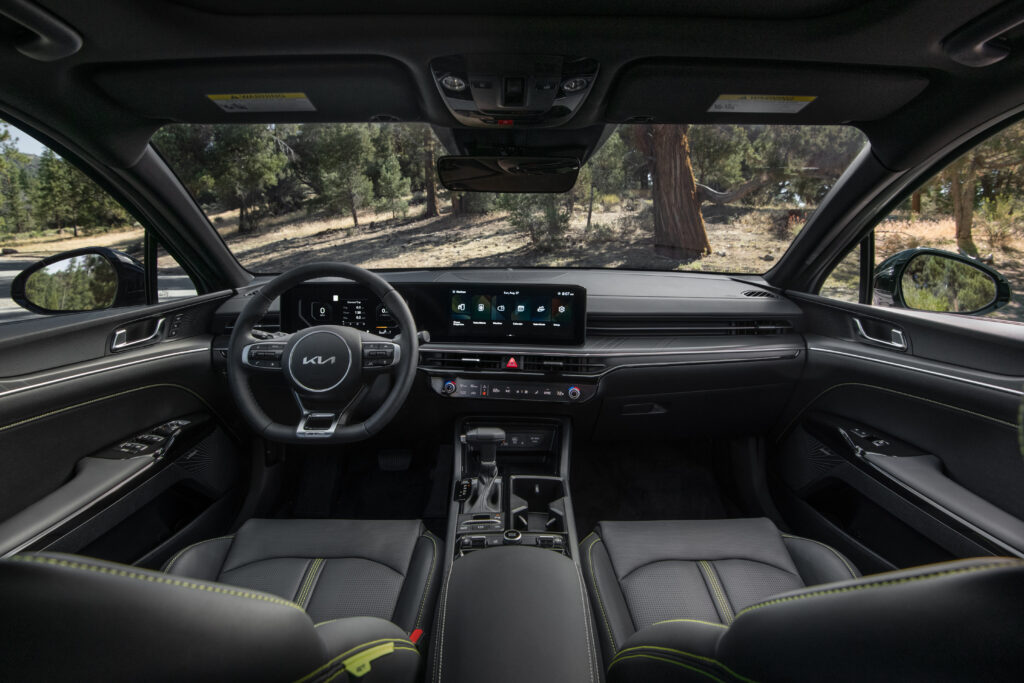
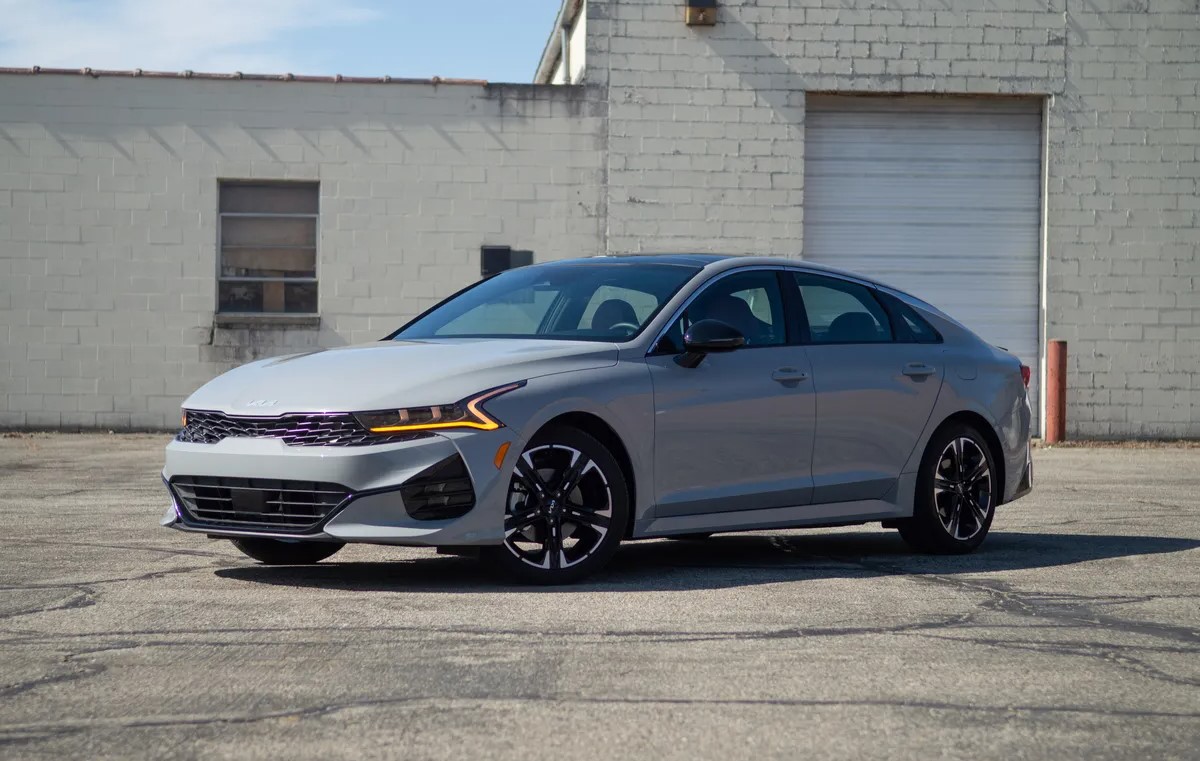
The 2025 Kia K5 AWD promises to be a compelling mid-size sedan that combines stylish design, impressive performance, and fuel efficiency. While specific fuel economy figures are yet to be released, the K5’s existing powertrain options and Kia’s commitment to fuel efficiency suggest that the 2025 model will offer respectable fuel economy figures. By adopting fuel-efficient driving practices and utilizing the vehicle’s available technology, drivers can further optimize fuel consumption and maximize their driving experience. The 2025 Kia K5 AWD stands ready to offer a blend of performance, efficiency, and style, making it an attractive option for discerning drivers.



Closure
Thus, we hope this article has provided valuable insights into The 2025 Kia K5 AWD: A Look at Fuel Efficiency and Performance. We thank you for taking the time to read this article. See you in our next article!