The 2025 Kia K5: Fuel Efficiency and Performance in Harmony
The 2025 Kia K5: Fuel Efficiency and Performance in Harmony
Introduction
In this auspicious occasion, we are delighted to delve into the intriguing topic related to The 2025 Kia K5: Fuel Efficiency and Performance in Harmony. Let’s weave interesting information and offer fresh perspectives to the readers.
Table of Content
The 2025 Kia K5: Fuel Efficiency and Performance in Harmony
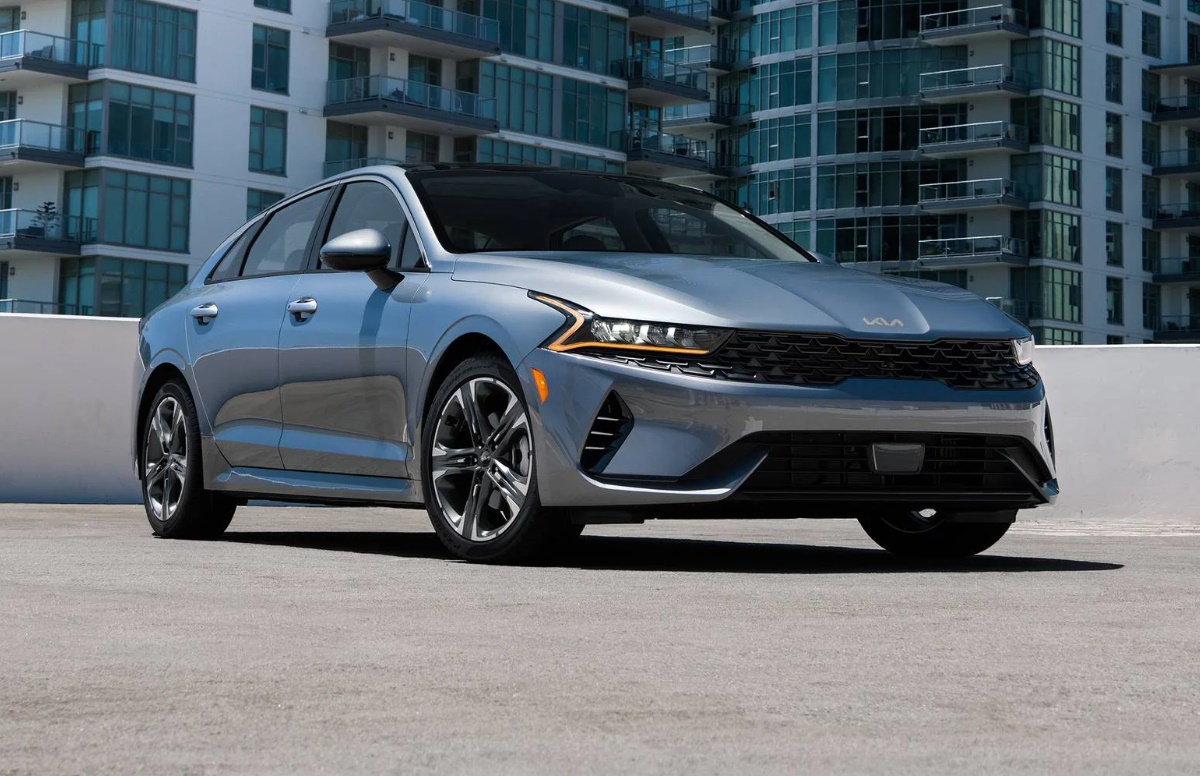
The 2025 Kia K5 represents a significant leap forward in the mid-size sedan segment, offering a compelling blend of performance, style, and technology. While specific fuel economy figures for the 2025 model year are not yet available, understanding the factors that influence fuel efficiency in the Kia K5 can provide valuable insight into its potential performance.
Engine Options and Fuel Efficiency:
The 2025 Kia K5 is likely to continue offering a variety of engine options, each catering to different driving needs and preferences. The standard engine is expected to be a naturally aspirated four-cylinder engine, delivering a balance of power and fuel economy.
For those seeking enhanced performance, a turbocharged four-cylinder engine could be offered, providing increased horsepower and torque. While this engine might offer a more exhilarating driving experience, it could potentially impact fuel economy.
Additionally, Kia may introduce a hybrid or plug-in hybrid powertrain option, further enhancing the K5’s fuel efficiency. These electrified powertrains leverage the power of both gasoline and electric motors, allowing for significant fuel savings and reduced emissions.
Technological Advancements for Enhanced Fuel Economy:
The 2025 Kia K5 is likely to incorporate various technological advancements designed to optimize fuel efficiency. These may include:
- Improved Aerodynamics: Streamlined body design, active grille shutters, and underbody panels can reduce air resistance, leading to better fuel economy.
- Lightweight Materials: Utilizing lightweight materials such as aluminum and high-strength steel in the chassis and body can reduce overall weight, resulting in improved fuel efficiency.
- Advanced Transmission: Sophisticated transmissions, such as an eight-speed automatic or a continuously variable transmission (CVT), can optimize gear ratios for better fuel economy.
- Start-Stop Technology: This system automatically shuts off the engine at idle, reducing fuel consumption in stop-and-go traffic.
- Regenerative Braking: This technology captures energy during braking and converts it into electricity to recharge the battery, further improving fuel efficiency.
Factors Affecting Fuel Economy:
While the K5’s engine and technology play a crucial role in fuel efficiency, several external factors can also influence fuel consumption:
- Driving Habits: Aggressive acceleration, frequent braking, and excessive speed can significantly impact fuel economy.
- Road Conditions: Traffic congestion, hills, and uneven road surfaces can increase fuel consumption.
- Environmental Factors: Temperature, altitude, and wind conditions can also affect fuel efficiency.
The Importance of Fuel Efficiency:
Fuel efficiency is a critical factor for many car buyers, as it directly impacts their operating costs. By achieving excellent fuel economy, the 2025 Kia K5 can provide significant savings on gasoline expenses, making it a more cost-effective choice for daily commutes and longer journeys.
Benefits of Improved Fuel Economy:
- Reduced Fuel Costs: Lower fuel consumption translates to significant savings on gasoline expenses over the vehicle’s lifespan.
- Environmental Sustainability: Improved fuel economy reduces greenhouse gas emissions, contributing to a cleaner environment.
- Increased Range: Higher fuel efficiency allows for greater distances between refueling stops, enhancing convenience for long drives.
Frequently Asked Questions:
Q: What is the expected fuel economy of the 2025 Kia K5?
A: Specific fuel economy figures for the 2025 Kia K5 are not yet available. However, based on the K5’s current fuel efficiency and anticipated technological advancements, it is likely to achieve competitive fuel economy figures within its segment.
Q: Will the 2025 Kia K5 offer a hybrid or plug-in hybrid option?
A: Kia has not officially confirmed the availability of hybrid or plug-in hybrid powertrains for the 2025 K5. However, considering the growing popularity of electrified vehicles, it is a possibility that Kia may introduce these options to further enhance the K5’s fuel efficiency and appeal to environmentally conscious buyers.
Q: How can I maximize the fuel economy of my Kia K5?
A: Adopting efficient driving habits can significantly improve fuel economy. These include:
- Smooth Acceleration: Avoid aggressive acceleration and maintain a steady speed.
- Anticipate Stops: Look ahead and brake gently to avoid sudden stops.
- Maintain Tire Pressure: Properly inflated tires reduce rolling resistance, improving fuel economy.
- Minimize Cargo: Excess weight in the vehicle can increase fuel consumption.
- Avoid Excessive Idling: Turn off the engine when parked or waiting for extended periods.
Tips for Fuel Efficiency:
- Regular Maintenance: Ensure your Kia K5 receives regular maintenance, including oil changes, air filter replacements, and tire rotations.
- Use the Right Fuel: Always use the recommended fuel type specified in your owner’s manual.
- Plan Your Trips: Combine errands and avoid unnecessary driving to reduce fuel consumption.
- Consider Alternative Transportation: For short distances, explore walking, cycling, or public transportation options.
Conclusion:
The 2025 Kia K5 is poised to offer an impressive blend of performance and fuel efficiency, making it a compelling choice for drivers seeking a stylish, technologically advanced, and economical mid-size sedan. While specific fuel economy figures are yet to be released, the K5’s anticipated engine options, technological advancements, and focus on fuel efficiency suggest that it will be a fuel-efficient and cost-effective vehicle. By incorporating efficient driving habits and proper maintenance, owners can further maximize the K5’s fuel economy and enjoy the benefits of reduced fuel costs and environmental impact.





Closure
Thus, we hope this article has provided valuable insights into The 2025 Kia K5: Fuel Efficiency and Performance in Harmony. We thank you for taking the time to read this article. See you in our next article!